
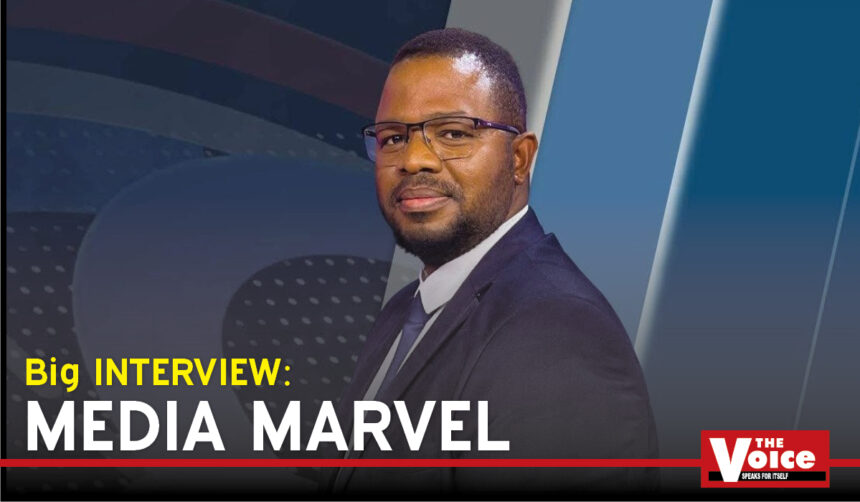
Veteran broadcaster and entrepreneur, Kaelo Sabone is a familiar, much-loved face on television screens across Botswana.
But behind the polished delivery and commanding public presence is a man shaped by struggle, resilience and an unrelenting drive to create.
From humble beginnings in Lobatse to becoming one of the country’s most recognisable media personalities, Sabone has built a career that stretches far beyond the newsroom.
In this intimate interview, he opens up about grief, pressure, fatherhood, the emotional toll of crime reporting and how a simple love for fire and meat evolved into a deeper philosophy about family, healing and humanity.
You’ve built a name for yourself as a respected news anchor, entrepreneur, academic and public personality. Looking back, what journey shaped the man Botswana sees today?
I am one of those Batswana raised in a small town, far from opportunities and connections. I grew up relying heavily on the support of my family. Life was never easy during my upbringing, and I think that wired me for survival. It taught me to always do the best I can with the little resources available to me. I worked hard at school, went to university, worked abroad, moved to China for a period, and later returned home to no job opportunities. At that point I realised the only option was to push harder and never stop working.

Did you always envision becoming this multifaceted, or did life simply evolve that way?
I have always loved enterprise and creating things. I probably fell into the employment trap too early in life, but I learned a lot from it. Over time, life evolved in a way that allowed me to do many of the things I genuinely love all at once.
Broadcasting is a demanding industry where public trust can take years to build and seconds to lose. How have you managed to remain relevant and respected over the years?
Being raised in a small-town and family-oriented environment builds humility into you. I am human and I make mistakes, but I always try to manage myself in the most humble and private way possible. I never see myself as bigger than what I do, and I never see myself as bigger than anyone else. I also carry a philosophy I picked up from Chinese culture: ‘too full is not always good’. Respecting people earns you respect in return.
You wear many hats professionally. Which role challenges you the most, and which one brings you the greatest fulfillment?
The most challenging role is definitely the public-facing side of my career, especially television. There are many unspoken rules that come with public work, and balancing all of that can be difficult. But the greatest fulfillment in my life comes from cooking and fire culture. I genuinely love meat and fire. Those moments around the grill are some of the happiest moments of my life because they bring me closer to family. Cooking for family around a fire feels like sharing a blessing.

Where did this love for grilling come from?
I fell in love with grilling around 2012. I am actually a socially awkward person, and standing at the braai stand during gatherings became my safe corner at social events. At first it came with criticism: ‘the meat is too tough’, ‘too spicy’, and all those comments. But instead of getting discouraged, I decided to improve. I kept getting better with every event, became obsessed with building better equipment, learning better cooking methods, and creating better experiences. Eventually I realised I wanted to share the fire with people and create memorable experiences around it.
Some people joke that you are often mistaken for a chef. Do you embrace that perception, or is there more to the BBQ identity than people realise?
I am far from being a chef. BBQ culture is its own world entirely, although the discipline behind it is equally valuable. One day I would love to be called a pitmaster. I see myself as the part of food culture that complements the chef. BBQ has a special way of uniting people through fire and meat.
Be honest, who is the better cook at home?
I genuinely love cooking. My late mother, may God bless her soul, taught all five of her children how to cook properly. She invested a lot of time in teaching us the kitchen. So honestly, maybe I am the better cook at home. Especially once the fire comes out.
What’s your signature BBQ dish that never disappoints?
Texas-style BBQ beef brisket and creamy tomato soup ka ledombi.
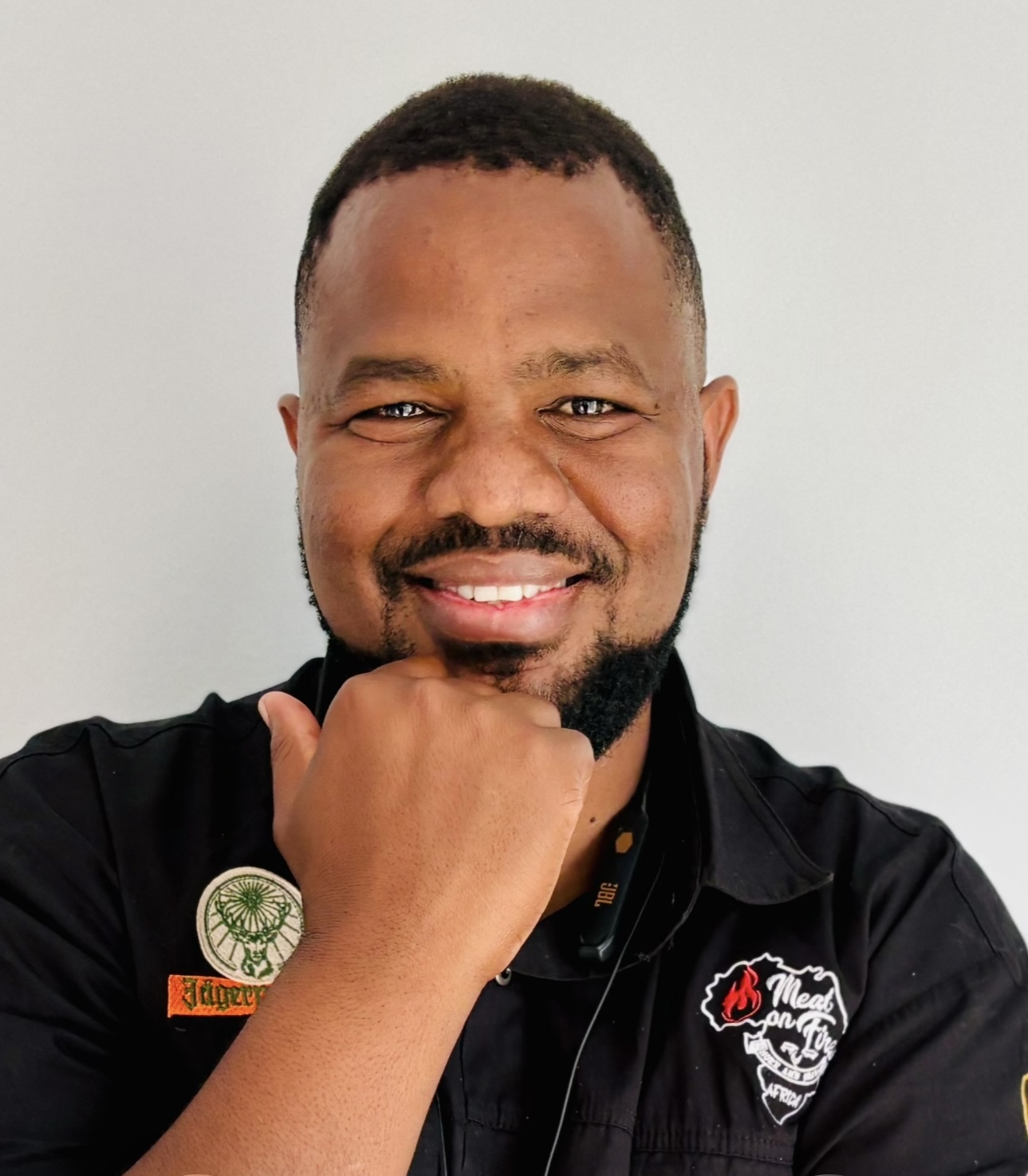
Ohh, now I’m hungry! So what lessons has business taught you that the media never could?
Entrepreneurship teaches you very quickly that nobody is coming to save you. You have to do the work yourself. One mistake young entrepreneurs make is listening too much to people who had easier journeys and now position themselves as motivational speakers or business advisors. Entrepreneurship is hard, especially for first-generation entrepreneurs like many of us. We fall into debt. We fail. We get swallowed by sharks sometimes. But if that drive and fire burns inside you, it is probably because success is written somewhere in your path.
Do not take shortcuts. Work for your business properly. Nobody will care about your business more than you do. And never underestimate the power of family support.
How has the adoption of the 24-hour economy affected you as an event organiser?
Honestly, not much directly because our events are curated experiences. But overall, I think the 24-hour economy is a positive thing because it inspires creativity and innovation.

As someone who constantly engages with the public, what concerns you most about the direction society is taking today?
People are becoming lazier, and socially and economically we are becoming more corrupt in certain ways. That creates opportunities for drugs and many other social ills. I believe if people worked harder and if politicians, senior government officials and senior entrepreneurs inspired society more positively, we would see less crime and less gender-based violence.
In your view, what are the biggest untold stories in Botswana that mainstream media still overlooks?
As a society, we struggle to confront issues exactly as they are. The way we address issues like GBV and drugs is often guided by fear of discomfort, and that delays progress. Social ills are still heavily neglected, especially crime, both violent and white-collar crime. At the same time, we also struggle to balance negative stories with positive stories of perseverance and resilience. Unfortunately, positive stories do not always perform as strongly as negative ones.
You’ve interviewed many people throughout your career. Has there been a conversation that completely changed your perspective on life?
Yes. One person who deeply impacted me was Oabona Kgengwenyane after I hosted him on BTV years ago. His thinking and perspective inspired me greatly. More recently, conversations with Farzam Kamalabadi also challenged and expanded my perspective on life and possibility.
Public figures often appear strong on the outside. What personal challenges have tested you the most behind the scenes?
The passing of my mother still hurts deeply to this day. Financial pressure is also a daily reality for entrepreneurs. I often say I live four lives in one day. First, I am a family man. I have to inspire strength in my wife and children. Second, I am a news anchor. I have to wake up at 5am and appear bright and composed, even on days when I disagree with many things happening around me. Third, I have employees who depend on leadership and motivation from me, even during times when I genuinely do not know where salaries will come from. And fourth, I walk into malls and public places where strangers greet me with smiles and hope to receive positivity from me in return. Some people need inspiration. Some need comfort. So I carry all of that responsibility quietly every day.
You’ve worked in spaces that demand both professionalism and empathy. How important is emotional intelligence in journalism today?
People are different and process things differently. Losing your cool can damage not only your reputation, but also peace and stability around a situation. As journalists, we must learn how to manage people’s feelings and perceptions, especially in a world driven by fast-moving information and massive data flows. Sometimes a journalist’s emotional control can be the difference between a riot and a peaceful resolution.
At what point did you realise there was a need for deeper, more human-centered storytelling beyond traditional news broadcasting?
People have moved from television stands to content in the palm of their hands. Content today is intimate and direct. This new media environment created a need for more human-centered storytelling because information now impacts people instantly and personally.
With the rise of AI, we are becoming less human in our interactions. But content that touches humanity still feeds the humanity within us. We were engineered to be human. Artificial intelligence should never replace divine intelligence.
That realisation eventually gave birth to ‘Case by Case’, your podcast alongside crime journalist, Rachel Sebinyane. What gap were you trying to fill with the platform?
Rachel Sebinyane is an incredible human-centered journalist. She has spent years telling stories around crime and violence, particularly murder cases. Our partnership gives Batswana an opportunity to experience stories in ways mainstream television has not fully explored before. Many people do not truly understand the emotional impact of violent crime. There are many unheard voices out there, and we want to create a platform where those voices can be heard. Sometimes, to inspire change in society, people need to feel closer to the stories and the individuals affected by them.
Unlike sensational crime platforms that focus largely on headlines, ‘Case by Case’ digs into the experiences of prisoners, victims and families. Why was that approach important to you?
One of humanity’s biggest challenges is human behaviour itself. We want to understand why people do the things they do and how those actions affect victims, families and society. There is still so much about the human mind and human behaviour that we do not fully understand. Exploring the human psyche is what drives us. But beyond that, we also hope to help victims find closure and help perpetrators teach others away from similar paths. We hope the platform can one day contribute meaningfully to legislation, public thinking and social decision-making.
Sitting across from former inmates and victims must come with emotional weight. How do you prepare yourself for those difficult conversations?
Because our approach is organic, we actually do very little preparation emotionally. That is partly why you sometimes see us disappear from screens for periods of time. Some stories are extremely heavy and require time to recover emotionally and psychologically afterward.
Has there been an interview on Case by Case that left a lasting emotional impact on you personally?
Recently we spoke to Kganka, and that interview still hurts deeply. Imagine discovering that your own cousin allegedly paid insurance premiums with intentions tied to murdering you for a payout. It forces you to question how many people may have been harmed by relatives, partners or colleagues for financial gain. It also raises serious questions about how insurance legislation and systems can sometimes unintentionally create dangerous incentives.
Through the podcast, what have you learned about rehabilitation, forgiveness and second chances?
Forgiveness is difficult. It takes a very strong person to truly give someone a second chance. What I have learned is that to err really is human, but we also possess a divine ability to forgive if we are willing to look deeply enough into our hearts.
Botswana rarely has open conversations about prison experiences and trauma. Were you ever afraid of criticism for addressing such sensitive topics publicly?
Batswana are sensitive to different issues, and many strongly believe punishment must fit the crime. So we approach these matters carefully and responsibly. Our intention is never to glorify crime, scare people or portray anyone unfairly. We always try to remain as neutral, professional and ethical as possible.
After hearing so many painful, raw stories, what has this taught you about humanity, pain and resilience?
Humanity is still too young to fully understand and harness its own power. Re sale bana. People process pain differently, but despite everything they go through, human beings continue to strive, hope and keep faith alive. That resilience is one thing humanity will always amaze me with.
What would people be amazed to learn about you?
Most people would probably be surprised to learn that I am actually socially awkward. And despite being in media and communication, I am honestly not a very strong reader.
Outside work, what does the perfect relaxed weekend look like for Kaelo Sabone?
A full day with my family; cooking breakfast, lunch and eventually a braai dinner while studying in between the day. That is peace for me.