



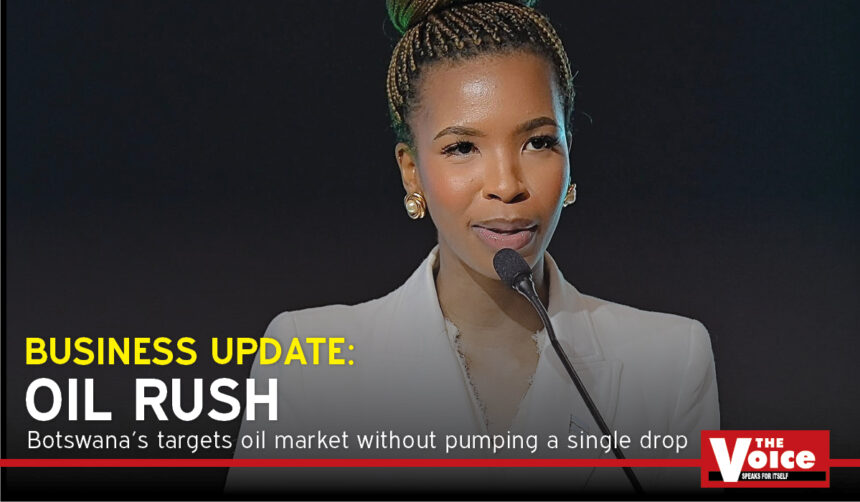
Botswana’s targets oil market without pumping a single drop
Botswana’s drive to break free from its dependence on diamonds and beef could soon take a dramatic turn following plans to establish a multi-billion-dollar oil refinery and petroleum storage facility in the Chobe District.
Should the project succeed, it is expected to create at least 1,000 jobs and position Botswana as a regional energy powerhouse.
The ambitious project is being spearheaded by Seth Resources Petroleum, a Botswana-owned company established in 2016.
Speaking at the launch of the Botswana Youth, Women and Citizen Oil & Gas Training Programme this week, the company’s Chief Executive Officer, Brian Mmusi, unveiled plans for what could see Botswana becoming a key player in the regional petroleum supply chain, despite not producing oil itself.
Mmusi revealed that Seth Resources Petroleum intends to develop a crude oil refinery in the Pandamatenga area, alongside a 240-million-litre oil and gas storage facility.

The refinery is expected to process imported crude oil into finished petroleum products for local consumption and export into regional markets.
“The idea is to turn Chobe into an energy hub,” Mmusi said. “We want Botswana to play a meaningful role in the petroleum value chain and supply markets across the SADC region.”
According to Mmusi, projections indicate that 20% of the petroleum products processed through the facility would be consumed locally, while the remaining 80% would be exported into the Southern African Development Community (SADC) market.

The proposed refinery requires an investment of between US$20 billion and US$30 billion, making it one of the most ambitious industrial projects ever proposed in Botswana. Mmusi said investor interest has already been secured and that feasibility studies and business plans have been completed.
He further disclosed that the company is preparing to sign offtake agreements with key stakeholders, a critical step in securing long-term buyers for the refinery’s products and ensuring the commercial viability of the project.
“We already have investors on board and the necessary feasibility work has been done. The next stage is finalising agreements with stakeholders,” he said.
Mmusi added that the Chobe District Council has expressed support for the development, which is expected to bring substantial economic activity to the northern region of the country.
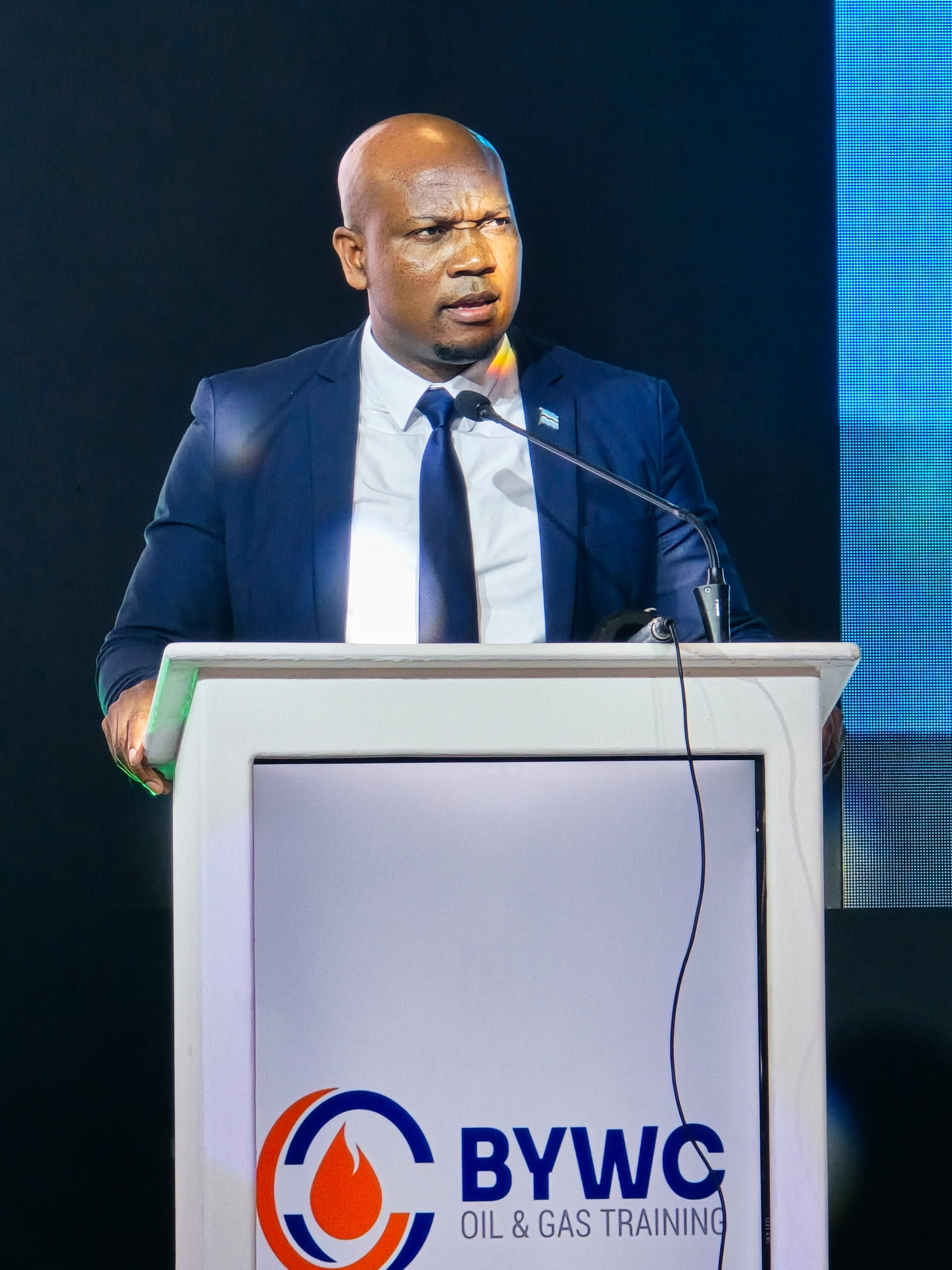
The company has partnered with the Ministry of Youth and several strategic institutions to launch the Botswana Youth, Women and Citizen Oil & Gas Training Programme, which aims to prepare Batswana for employment and entrepreneurship opportunities within the sector.
The initiative aims to train 1,000 participants selected from all 61 constituencies through an intensive 10-day programme focused on skills development, entrepreneurship and participation in the oil and gas value chain.

When launching the programme, Minister of Youth and Gender Affairs Lesego Chombo described it as a critical step in shaping Botswana’s future economy and reducing reliance on traditional sectors.
She said the initiative is designed to empower youth, women and entrepreneurs to become active participants in the energy sector rather than spectators.
Chombo further stressed that partnerships between government, the private sector and academia will be essential in ensuring skills development translate into sustainable economic opportunities.
Participants will receive exposure to opportunities in fuel retailing, LPG distribution, logistics, clean cooking solutions and other areas linked to the energy sector.
Additionally the programme will include mentorship opportunities, internships and business development support.
There will also be assistance from the Local Enterprise Authority (LEA) in developing business plans and potentially access funding opportunities through the Citizen Entrepreneurial Development Agency (CEDA).
Mmusi said the initiative is designed to ensure that citizens are not left on the sidelines as Botswana explores new economic frontiers.
He argued that while Botswana does not currently produce oil and gas, the country can still position itself strategically through refining, storage, distribution and related support services.
With the right partnerships between government and the private sector, he believes Botswana can establish itself as an important energy logistics and processing centre serving both domestic and regional markets.
If realised, the Chobe refinery project would mark a significant shift in Botswana’s industrial landscape, potentially opening a new chapter in the country’s economic diversification journey while creating jobs, developing local skills and stimulating citizen participation in an industry that has traditionally been dominated by international players.