



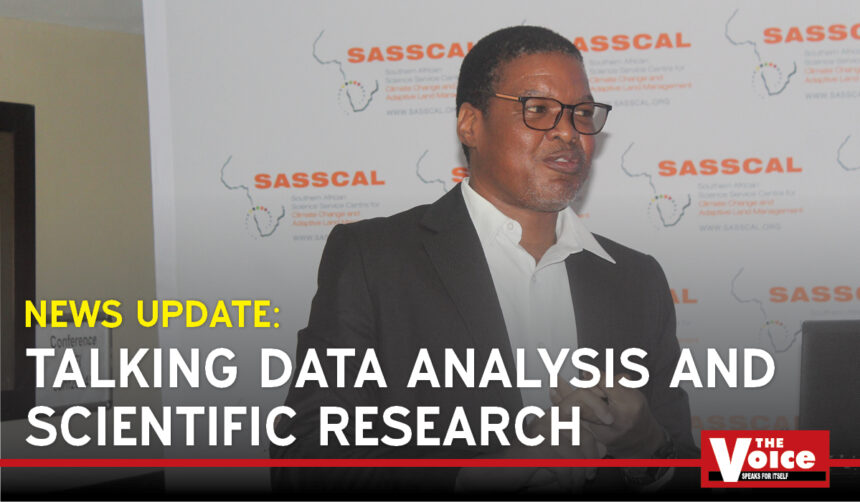
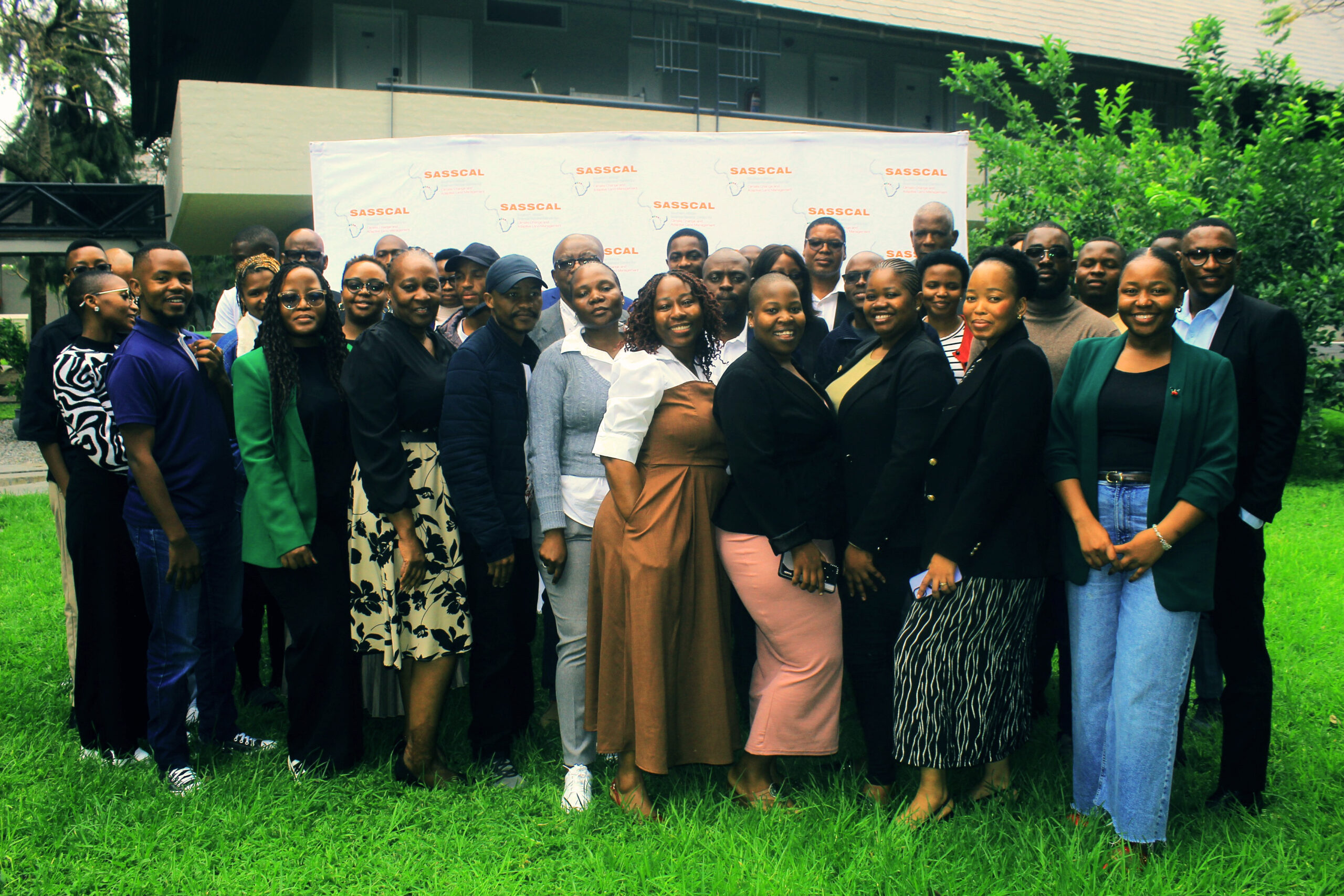
The Southern African Science Service Centre for Climate Change and Adaptive Land Management (SASSCAL) held a five-day Data Analysis and Scientific Training Workshop in Francistown last week.
The capacity-building workshop, was facilitated by experts in data analysis and scientific communication.
SASSCAL is a regional initiative dedicated to climate change adaptation and sustainable land management in Southern Africa.
It is a collaboration between Angola, Botswana, Namibia, South Africa, Zambia, and Germany, aimed at strengthening the region’s ability to generate and use scientific knowledge for informed decision-making to improve livelihoods.
The high-level workshop attracted postgraduate students from the University of Botswana (UB), Botswana University of Agriculture and Natural Resources (BUAN), and the Okavango Research Institute (ORI).

Speaking at the workshop, Programme Coordinator John Molefe said SASSCAL is focused on conducting science with intention and purpose, ultimately to improve the quality of life in the region.
“Our mission is to be a leading regional centre in integrated climate change and adaptive land management science for an improved quality of life in Southern Africa,” said Molefe.
He noted that the Southern African region is vulnerable to climate change and is susceptible to drought, floods, water scarcity, and food insecurity.

One of the challenges, he said, is that the region operates in a changing system with limited information, which often leads to sporadic and short-term decision-making.
This is the gap SASSCAL aims to close.
The workshop was designed to strengthen participants’ competencies in data analysis and scientific writing, with a strong emphasis on practical, hands-on sessions.
These skills are expected to contribute to producing high-quality, policy- relevant scientific knowledge.
Delivering the keynote address, Professor Boikanyo Makubate, Acting Dean, Postgraduate School, Botswana International University of Science and Technology described the workshop as a platform focused on shaping the foundation of good research.
He emphasized that scientific research and data analysis are essential to achieving national and global sustainable development goals.

“You cannot achieve anything without data analysis and scientific research ,” he said.
At the national level, he said, data analysis and research can be used to measure investment outcomes or determine the impact of programmes such as poverty- alleviation initiatives.
“Through research and data analysis, we can determine whether programmes are working. The same approach can be used to improve agricultural production,” Professor Makubate said.
His sentiments were echoed by Kgosi Pogisego Mosarwe in his welcome remarks.
He noted that the workshop theme was timely, as data-driven decision-making is now essential in addressing major regional challenges such as climate change, food insecurity, water scarcity, and biodiversity loss key areas within SASSCAL’s priority research agenda.
Mosarwe said the training for sharpening participants to generate high policy relevant research that can inform national planning and guide sustainable development.
He said today data driven decision making is essential as SASSCAL members collectively respond to major regional challenges such as climate change, food security, water scarcity and biodiversity loss.
“The ability to analyse data accurately and communicate findings clearly is fundamental to developing solutions that can positively impact our communities and economies,” Kgosi Mosarwe said.