



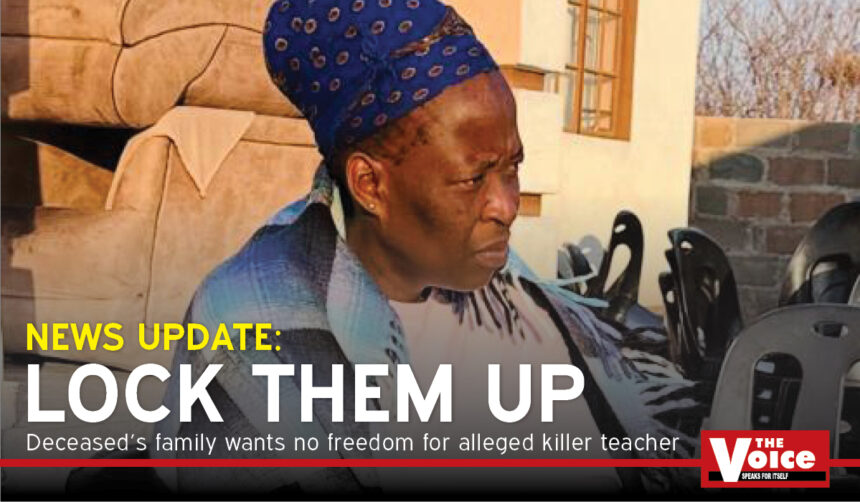
*Deceased’s family wants no freedom for alleged killer teacher
The family of a man suspected to have been killed by his wife last year have called on the courts to lock up the suspects and throw away the keys.
Fuming with intense anger on Wednesday at the Francistown High Court, the Gombalume family confronted the reality of their son’s tragic death, showing no mercy for those accused of his murder.
The family’s outrage stems from a long history of tension and fear surrounding Walter Gombalume, who had been living under a restraining order due to ongoing threats.
Seeking peace, he had moved to his farm, Tuutebe, near Letlhakane village, only to meet a violent end on September 13th.
With their heads bowed, the alleged perpetrators Mothusi Temogo, 37, Donald Pilane, 47, and Ishmael Mokobi, 30 appeared shaken during the bail hearing, postponed to February 18th.

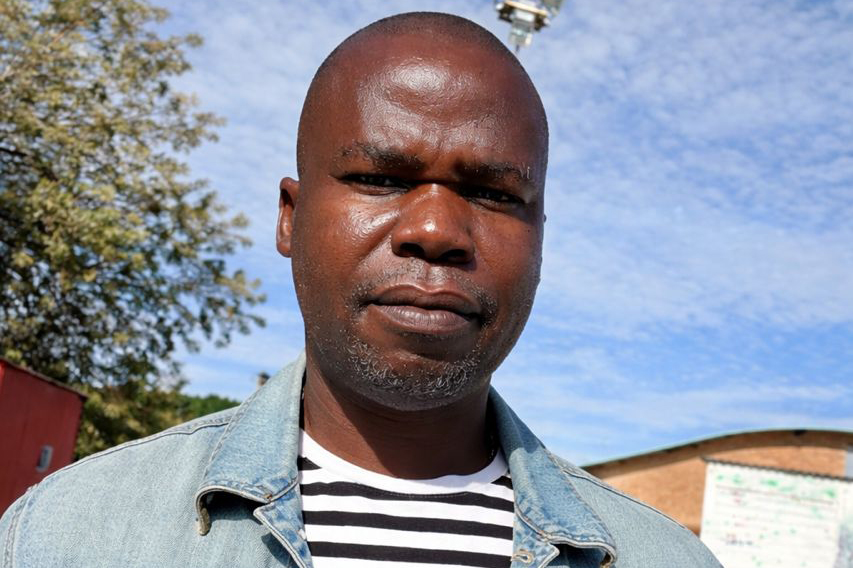
The accused, along with the deceased’s wife, Kebareileng Gombalume, 47, who was absent from court, are charged with the murder of Walter.
The family’s grief was visible in their attire; donning T-shirts with Walter’s face plastered on them as a symbol of remembrance and protest.
Speaking to The Voice outside court, the deceased’s uncle, Dzingilani Salani, said it would be unbearable to see the alleged killers granted bail before the family even begins to heal.

“These killers murdered my nephew like a goat and our hearts are shattered. If they are given bail, we will not let this rest because we are deeply hurt,” said Salani.
The deceased’s elder sister, Chendzimu Gombalume, explained that Walter had tried to protect himself from previous threats by moving to the farm, but the measures were tragically insufficient.
She said the family remains traumatized, and their elderly mother is inconsolable, struggling with the loss of her son.
Another relative, Maedzo Bagayi, said the alleged killers’ attempt to secure bail felt like a cruel celebration of their actions and demonstrated a lack of remorse, compounding the family’s pain.
The case has drawn attention to the vulnerabilities faced by those under restraining orders in rural areas, as well as the emotional toll on families left behind.
The community watches closely as the justice process unfolds, hoping that the law will provide some measure of closure.