
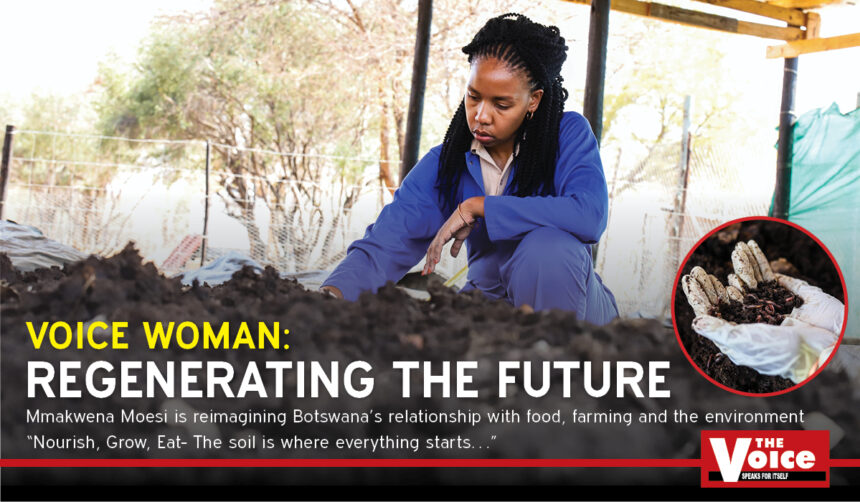
Mmakwena Moesi is reimagining Botswana’s relationship with food, farming and the environment
“Nourish, Grow, Eat- The soil is where everything starts…”
The first thing founder and managing director of Viva Organica, Mmakwena Moesi, wants people to understand is that healthy food begins long before it reaches the dinner table; it begins beneath our feet.
For the 34-year-old biologist, agriculture is about far more than growing crops. It is about restoring ecosystems, empowering farmers, improving public health and redefining Botswana’s relationship with food.It is an ambitious vision rooted in a lifelong fascination with nature.
Growing up, Moesi was captivated by biology, agriculture and the natural world.
“Throughout my schooling, I was always intrigued by Science – Biology specifically – as well as Chemistry and Physics. When I finished high school, some of my distinctions were in Biology and Agriculture… and of course, English Language,” says the Livingstone Kolobeng alumna.
That curiosity followed the Tonota native into the University of Botswana, where she pursued a Bachelor of Science in Biological Sciences. “While many students gravitated towards laboratory science, I found herself increasingly drawn to ecology and environmental studies,” she says.

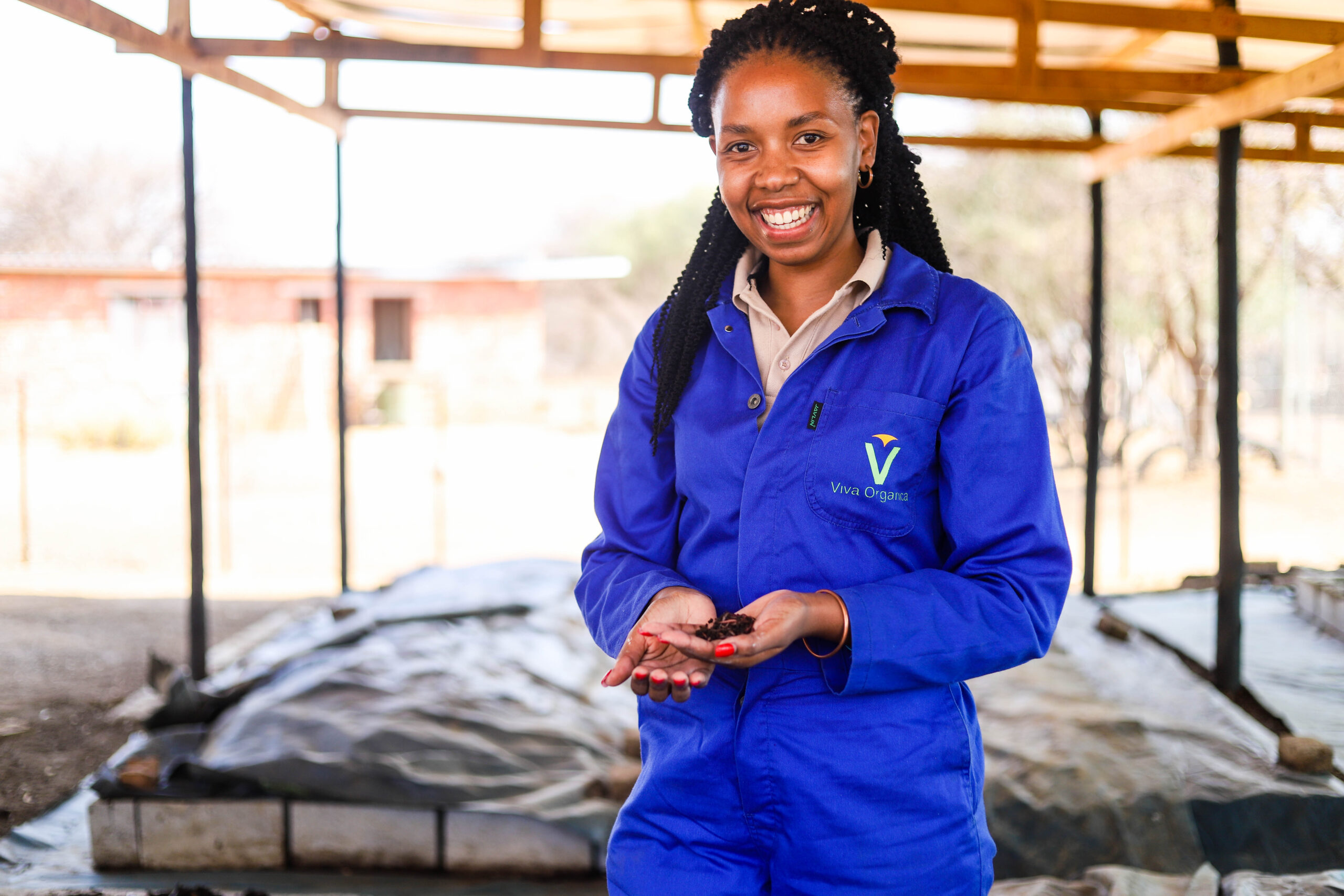
It was there that climate change stopped being an abstract global issue and became, for her, evidence of a deeper imbalance.
“I came to understand climate change as a sign that we’ve lost balance in the way humans interact with nature,” she explains, adding that understanding would eventually shape her life’s purpose.
Studying ecology also convinced her that many of today’s environmental and public health challenges stem from the way food is produced.

She believes conventional farming, with its dependence on synthetic fertilisers, pesticides and intensive cultivation, has gradually depleted the very resource on which agriculture depends.
“If we’re not feeding the soil, what is the soil able to give the crop?” she asks rhetorically, a question that causes some pondering.
The result, she argues, is food that often looks attractive but contains fewer nutrients than previous generations enjoyed.
For Moesi, soil health, environmental health and human health are inseparable. She points to land degradation – which affects an estimated 16 percent of Botswana’s land – as one of the consequences of unsustainable farming practices.
“The activities we engage in on an industrial level pollute the earth. If food production is driven by chemicals without replenishing nutrients in the soil, it affects the quality of the food we consume. Your apple may be massive and shiny but, in terms of nutrient density, it doesn’t have much.”
She is careful not to dismiss modern agricultural innovation entirely. Hybrid seeds and improved farming technologies have an important role in boosting yields, she says, but believes Botswana also needs a more balanced approach that values indigenous seed varieties, restores soil health and strengthens local food systems.

That philosophy became the foundation of Viva Organica.
The idea was born in her mother’s backyard. As a university student experimenting with organic food production, Moesi struggled to find locally available organic farming inputs.
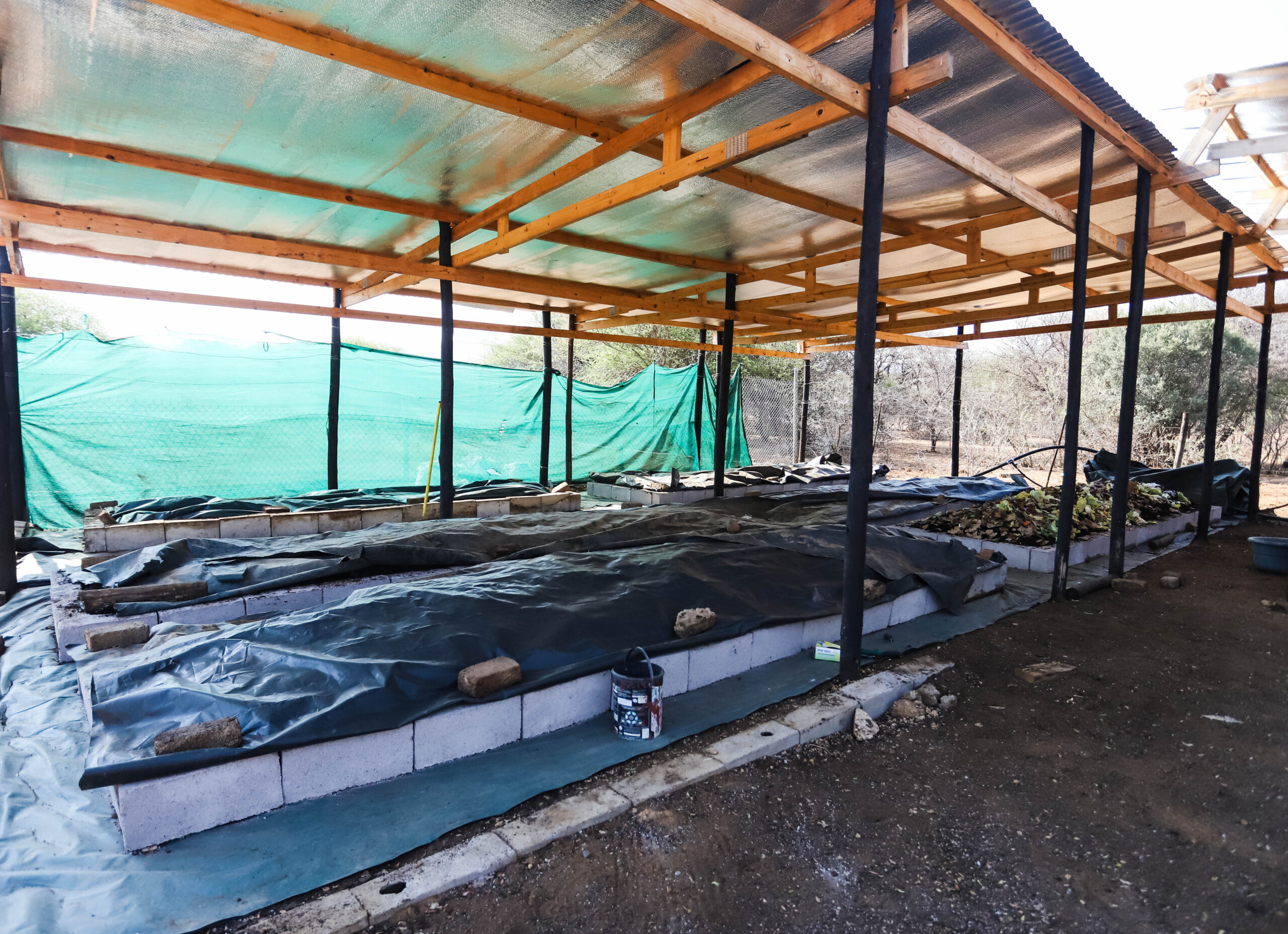
While searching for alternatives in 2016, she came across research by the Department of Agricultural Research – now the National Agricultural Research and Development Institute (NARDI) – on vermicomposting, which uses specialised earthworms to transform organic waste into nutrient-rich compost.”I remember thinking, ‘This is it.'”
She launched Viva Organica that same year as a small pilot project producing organic fertiliser. Building the business, however, proved far more challenging than the science behind it.
Fresh out of university at just 24, she quickly realised that manufacturing required capital, specialised infrastructure and regulatory compliance.
“As a young woman entering the sector, I encountered structural barriers, particularly around access to industrial land and finance. My background was science. I had to learn business from the ground up.”
She immersed herself in entrepreneurship programmes, mastering finance, business planning and operations while refining Viva Organica’s long-term vision. A policy change allowing manufacturing on agricultural land eventually enabled the company to access Youth Development Fund support, although progress was slowed by the COVID-19 pandemic.
The breakthrough came in 2023 when Viva Organica was selected among the top 20 winners of the Youth Adapt Challenge, an initiative led by the Global Center on Adaptation and the African Development Bank. The US$100,000 award gave the company the capital to scale.”We need more now; we’re going for US$200,000; that’s around P3.3 million!” she says emphatically.
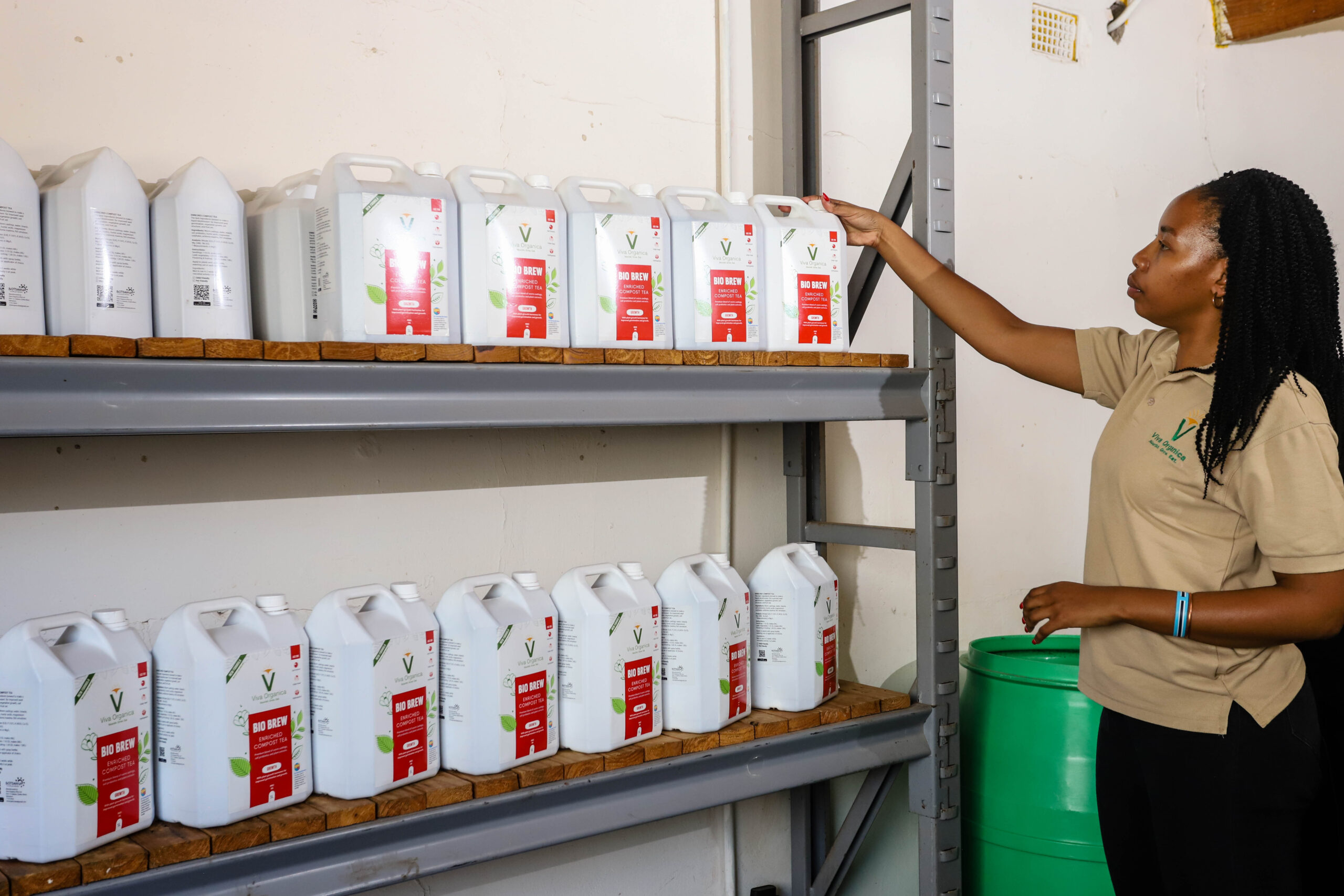
Today, the Gabane-based company has grown well beyond compost production. Viva Organica manufactures organic fertilisers and bio-pesticides, supplies climate-smart heirloom seeds and provides technology-driven farming solutions for smallholder farmers.
To date, the company has diverted more than 200 tonnes of organic waste from landfill, worked with over 3,000 growers and partnered with research institutions while distributing its products through retailers across Botswana.
“BioBrew fertilisers are stocked by Agrifeed, Agrivet, Agrichem and Sanitas, while the heirloom seed range is available at Mr Veg stores in Gaborone, Francistown and Maun.”
Yet Moesi insists the numbers tell only part of the story.”We envision thriving rural communities where farmers earn sustainable incomes while restoring soil health rather than exhausting it.”
That vision extends into schools and communities. Through partnerships with organisations including ReSCOPE Botswana, Viva Organica is helping establish school gardens while teaching composting, soil restoration and agroecology. One recent project saw the company help Pule Memorial School in Gabane establish its own garden.
Moesi is equally passionate about reconnecting Batswana with indigenous crops such as morogowathepe, magapu and mabele a tlholego, arguing that traditional foods and regenerative farming can improve nutrition, strengthen food security and reduce the country’s dependence on imported food.
“Botswana needs greater food sovereignty,” she says, noting that roughly 80 percent of the country’s food is imported from neighbouring countries.
Beyond her business, Moesi has become one of Botswana’s leading advocates for regenerative agriculture through public speaking, community engagement and social media, where she works to make sustainable farming more accessible to the public.
She believes one of the biggest obstacles facing young entrepreneurs remains access to patient capital.
“Manufacturing businesses take time to establish, yet financing models often expect quick returns.”
Despite the challenges, she remains optimistic.”Botswana already possesses many of the policies, strategies and talented young people needed to transform its agricultural sector. The next challenge lies in implementation.”
For Moesi, success will never be measured solely by revenue or business growth.
It will be measured by healthier soils, stronger farming communities and a generation of young people who understand that caring for the land is inseparable from caring for themselves.
“Viva Organica’s vision goes beyond selling fertilisers, it’s about creating a more sustainable and self-sufficient agricultural system.”