




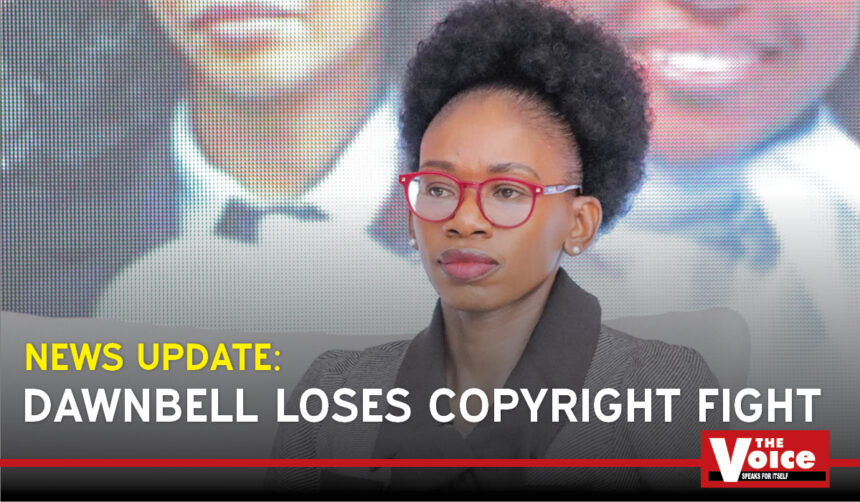
Dawn Bell Academy has lost, with costs, a case in which it was challenging a P38,276.64 licensing fees claim brought by the Copyright Society of Botswana (COSBOTS).
Mogoditshane Chief Magistrate Gofaone Morweng upheld an exception against the academy’s defence, entered final judgment for COSBOTS and awarded it costs. The ruling was delivered on 21 September 2026.
COSBOTS sued in December 2025 over licensing for the reproduction and use of copyright-protected literary and image works. It filed summons on 15 December 2025 and served the Academy the following month.
The Academy, which is owned by pastor, entrepreneur and transformation speaker Ndiko Muzila, defended the claim and requested further particulars, including whose works had allegedly been copied and what had been reproduced.
It denied using copyrighted works belonging to Botswana authors and publishers, and challenged COSBOTS’ jurisdiction over works, authors and publishers outside Botswana.

COSBOTS rejected that interpretation, saying its mandate is grounded in Botswana’s copyright legislation and international copyright obligations. It said Dawn Bell had taken part in a licensing process covering reproduction, scanning and printing, and had provided information on its operations, enrolment and staffing.
The court identified COSBOTS as Botswana’s statutory collective management organisation under section 36A(1) of the Copyright and Neighbouring Rights Act. Section 35 extends protection to works protected under international conventions to which Botswana is party.
The court cited the Berne Convention’s national-treatment principle, which generally requires qualifying foreign works to receive protection comparable to domestic works.

Morweng found COSBOTS’ jurisdiction “firmly anchored in an Act of Parliament” and rejected the defence’s narrower reading.
On evidence, the court cautioned that the fact that information about reproduced works lay with the academy did not automatically shift the legal burden of proof. But it noted that an educational institution would be expected to keep a catalogue of literary works on its premises, which could help identify authors and publishers.
Dawn Bell’s earlier participation in the licensing process ultimately weighed against its denial of liability.
“To the extent that the defendant was engaged in the licensing process and the final invoicing, I find no reason for it to deny liability,” Morweng said.
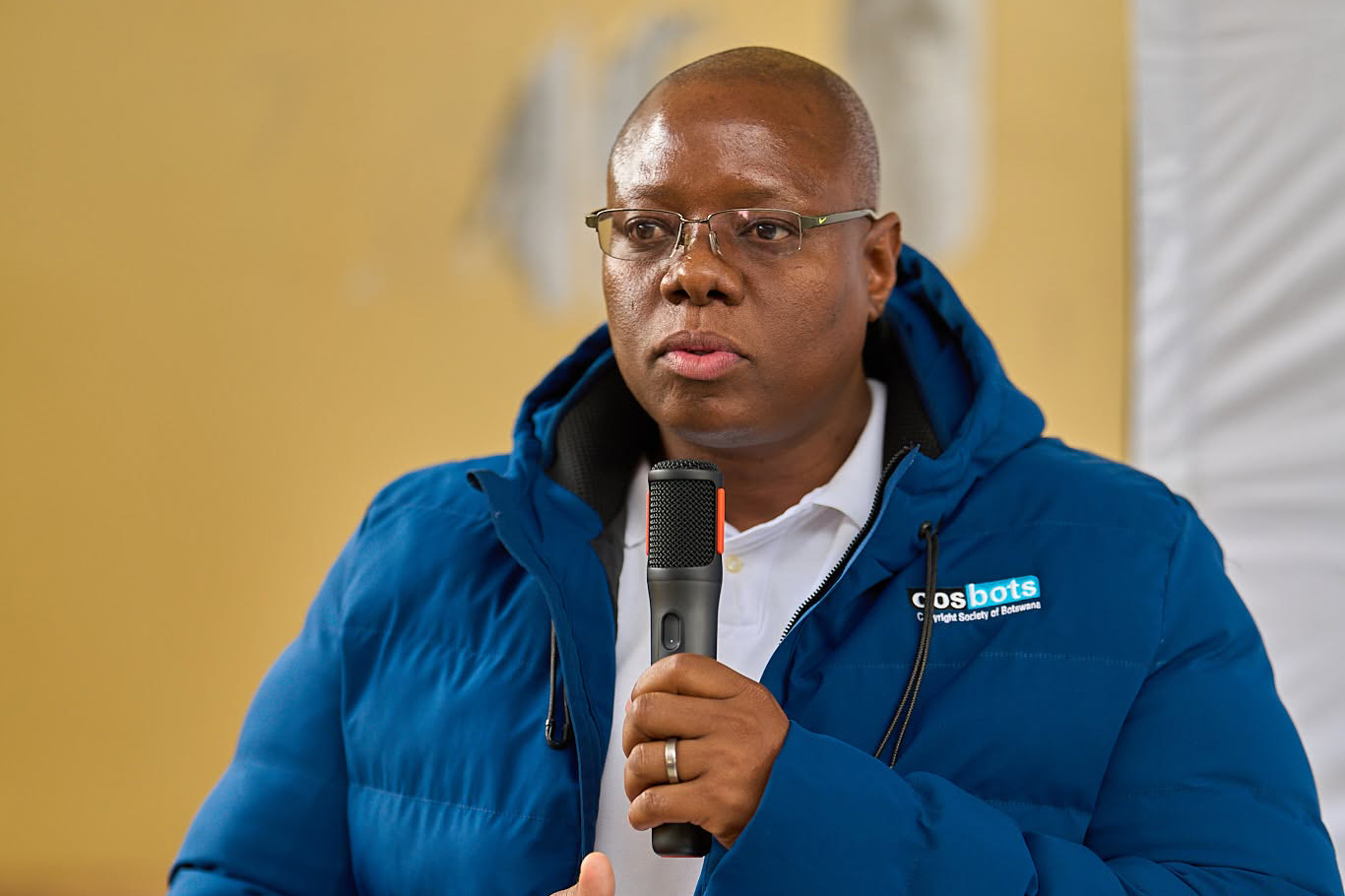
COSBOTS CEO Letlhogonolo Makwinja said the case was never about the amount. “This was never about P38,000. It is about recognising that creative work has economic value and that copyright is a legal right, not a favour extended to creators,” he said when contacted after the judgement.
Makwinja further said that they prefer engagement, education and voluntary compliance, but will act where institutions refuse to regularise their licensing obligations.
The court recognised why collective administration is practical: individual authors cannot monitor every copy, while users cannot easily seek permission from every rights holder.
Muzila’s academy was founded in 2013 and has more than 21 campuses across the country.