


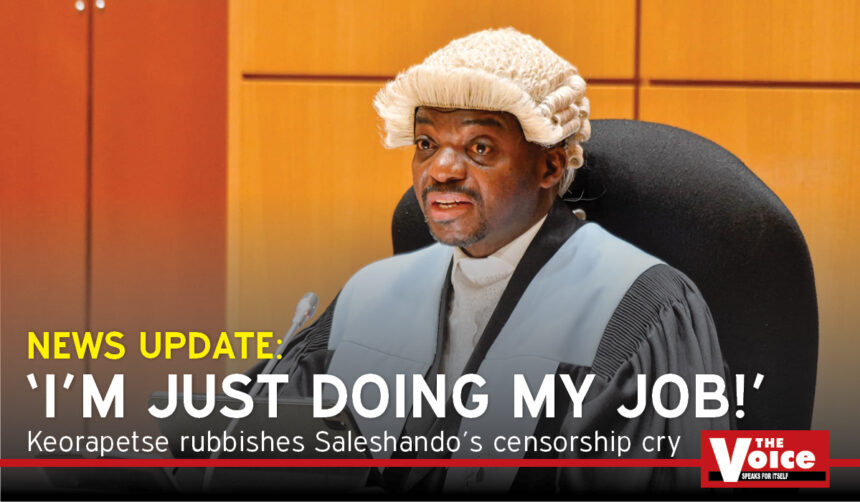
Keorapetse rubbishes Saleshando’s censorship cry
Never shy of a word or two, Speaker of the National Assembly, Dithapelo Keorapetse, has rubbished accusations of censorship and gate-keeping tendencies leveled against him.
In an exclusive interview with The Voice, the 44-year-old legislator insisted every decision he makes is anchored in the constitution and established parliamentary practices.
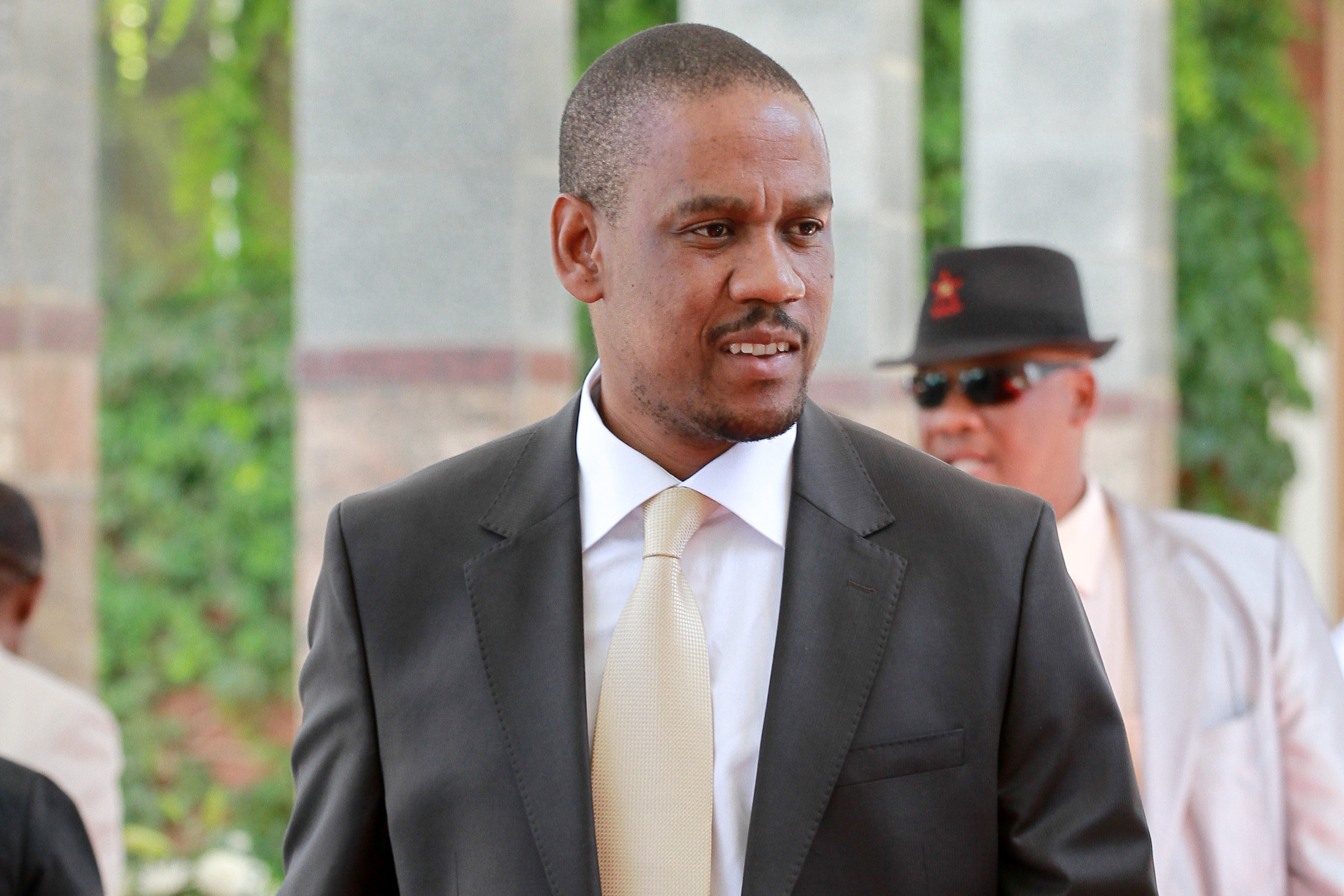
Keorapetse’s response comes following criticism from former comrade, Botswana Congress Party (BCP) President, Dumelang Saleshando, who claimed opposition MPs were being frustrated by both the Speaker and the Clerk.
Saleshando also accused his one-time ally of deliberately blocking certain Bills from reaching the floor of the House.
However, the former Selibe Phikwe West MP defended his record, welcoming public scrutiny while laying out the legal framework that governs his office.

“The Office of the Speaker is a public office, and I hold the firm view that the public is entitled to understand how decisions affecting Parliament and its Members are made,” he said, noting his office is regulated by the Constitution, the Standing Orders of the National Assembly, and the National Assembly (Powers and Privileges) Act.
“Where these instruments are silent, I am guided by past rulings of the House and by the practice of Commonwealth Parliaments, particularly the House of Commons. This is not merely a constitutional nicety. Where a Member believes I have erred, internal remedies exist, including an appeal to the Speaker citing a flouting of the law, misdirection, or mala fides. Members have in the past also approached the courts to challenge rulings of the Chair. I regard this accountability as a healthy feature of our democracy, not a threat to it,” he declared.
Since assuming office in November 2024, Keorapetse maintained he has never “deliberately, flagrantly, maliciously, unfairly or unlawfully blocked any Motion or Bill from being tabled before this Parliament.”

The outspoken Speaker further dared his critics to produce evidence to the contrary.
“Should any person be in possession of a letter from my office refusing anything unprocedurally or unlawfully, I invite them to place that letter before The Voice, or indeed any media house, for the public to judge for itself,” he challenged.
Addressing the proposals by Mogoditshane West MP, Galenawabo Lekau and Saleshando to amend the National Assembly (Salaries and Allowances) Act, an issue that has attracted widespread public attention, Keorapetse said he had not refused the proposals.
Rather, he explained he advised the two MPs on the proper process required by the Constitution and Standing Orders.
He revealed Parliament has two structures relevant to the matter: the Standing Committee on Members’ Rights, Interests and Privileges, and the Standing Committee on Remuneration, chaired by Justice Monametsi Steve Gaongalelwe.
“The purpose of the latter committee is precisely to ensure that Members of Cabinet, Members of Parliament, Councillors and Members of Ntlo ya Dikgosi are removed from determining their own remuneration, and that any such determination is instead subjected to objective, independent assessment,” he highlighted.

“The underlying principle is the removal of any perceived or real bias on the part of those who would otherwise be deciding their own pay.”
Keorapetse is adamant his guidance to the two MPs was “not a refusal” but “adherence to a process Parliament has deliberately put in place to protect the integrity of these decisions.”
As for concerns he might be conflicted given that the amendments touch on the Speaker’s constituency allowance, Keorapetse fired back, “As a general principle, laws ordinarily operate prospectively; they do not, without express provision, take away rights already lawfully accrued. Should this amendment proceed, whether now or in the future, it would in my respectful view apply to future Speakers and future Members, including specially elected Members, and not operate to alter entitlements already secured.”
In a parting shot, Keorapetse admitted he “remains open to correction if my understanding of the law on this point is shown to be mistaken.”