




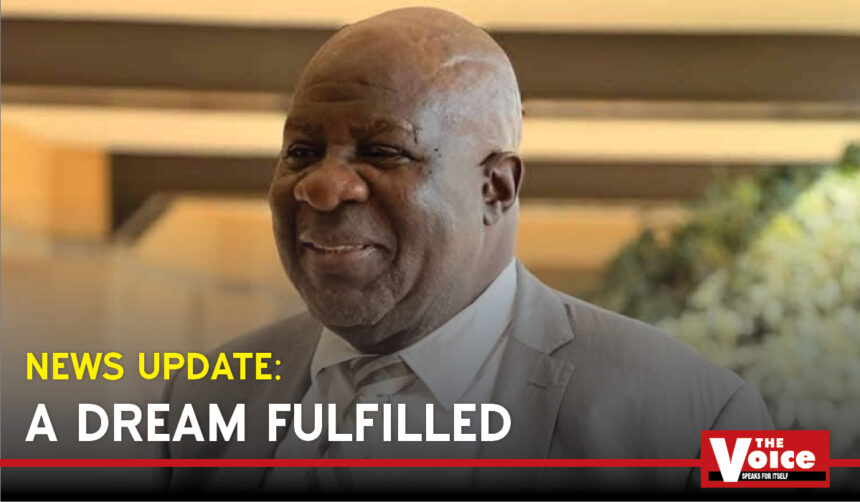
After more than four decades in the police service, Detective Assistant Commissioner Sergeant Marapo closed a chapter that few in Botswana’s policing history can rival.
From high-profile murder trials to emotionally draining investigations that shook the nation, Detective Marapo spent 41 years chasing truth, sometimes to conviction, sometimes to controversial acquittals.
Born and raised in Ramokgwebana, the veteran detective joined the Botswana Police Service straight after completing his Form Five in 1985.
His journey up the ranks was rough, marked by high-stakes investigations into some of the country’s most complex and controversial murder cases.
Following his retirement at the end of November 2025, The Voice staffer BAME PIET sat down with Marapo to reflect on his journey, the cases that defined his career, and the heavy realities of police work.

Who is Sergeant Marapo beyond the badge?
I was born into a family of two brothers and five sisters in Ramokgwebana village. I attended primary school there before proceeding to high school. I have been married for 39 years with three sons and a daughter and family has always been my anchor.
Did you always want to be a police officer?

Yes, being a police officer was my biggest dream growing up. Immediately after completing Form Five, I joined the police service as a Constable and was posted to Gweta Police Station. That was the beginning of my long and demanding journey.
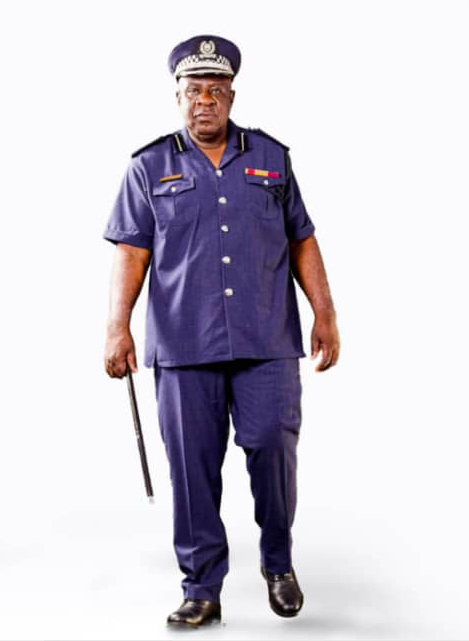
Many people are surprised to learn you were also into sports.
(Laughs) Yes, I was very active and I loved football, boxing and karate.
They were hobbies and I never competed professionally. People joke that with my formidable physical presence I could have gone far in boxing, maybe even faced big names, but policing had already captured my heart.
Your career involved investigating some of the country’s most shocking murder cases. How tough was that?
It was not easy at all. Murder investigations are not just about evidence; they affect you emotionally.

You carry the pain of victims’ families, and sometimes the frustration of seeing a suspected murderer walk free after you have done everything possible to secure justice eats you up.
One of your major breakthroughs was the case of Oteng Modisane Ping. What stands out for you?
The conviction was one of my first big breakthroughs. Ping was convicted in 2004 for the murder of his girlfriend Boitshwarelo Balotlegi.
The court gave him 15 years for the girlfriend’s murder and sentenced to him to death for killing her six-year-old son.
The case later triggered international outrage after his execution in 2006, especially around death row procedures.
Ping’s case continues to be debated even today. How do you view that?
As investigators, we work within the law and the evidence available at the time.
Public debate is healthy, but it is important to remember that our role is to present facts to the courts and the final decisions are judicial.
Another case that attracted huge attention was Patrick Gabaakanye, also known as ‘Raselepe’.
Yes. He was convicted for the murder of a 74-year-old man, Rapula Serojane and for seriously injuring the victim’s visually impaired wife at Ga Masusu Lands. The trial lasted six years and ended with his execution in 2016. It was a long, exhausting process.
The David Modise case brought you unexpected public fame. How did that feel?
Marapo: (Smiles) That was unusual. Justice Zein Kebonang even joked about my colourful jackets in court.
The case itself was painful. Despite strong investigative work linking the accused to the firearm, the court found gaps in the circumstantial evidence and acquitted him.
That is one of the hardest moments for any investigator.
How do you handle acquittals after years of work?
You accept the court’s decision, even when it hurts. We do our best, but the standard is proof beyond reasonable doubt. When that threshold is not met, you have to move on.
The Thato Meswele case is often described as one of your finest investigative achievements.
That case was nearly shelved as a cold file. When I was assigned, I pieced the puzzle together within two weeks and almost ten years later, the suspects were convicted and sentenced to 40 years. That outcome reminded me of the value of persistence.
You still have some of your cases before the courts even in retirement.
Yes. There is still the Gaofennngwe Selaolo trial involving the murder of a young boy, and the double murder of Lesang Noga and her son in Maun. These matters will continue in court, and justice must take its course.
Photojournalists say you loved the camera. Is that true?
(Laughs loudly) I don’t know about that, cameras were part of the job and I never hid from them.
As debate on the death penalty continues, what concerns you most?
My wonder if future generations will still have investigators who are committed, resilient and willing to carry the emotional weight of this work. Police work needs passion, not shortcuts.