



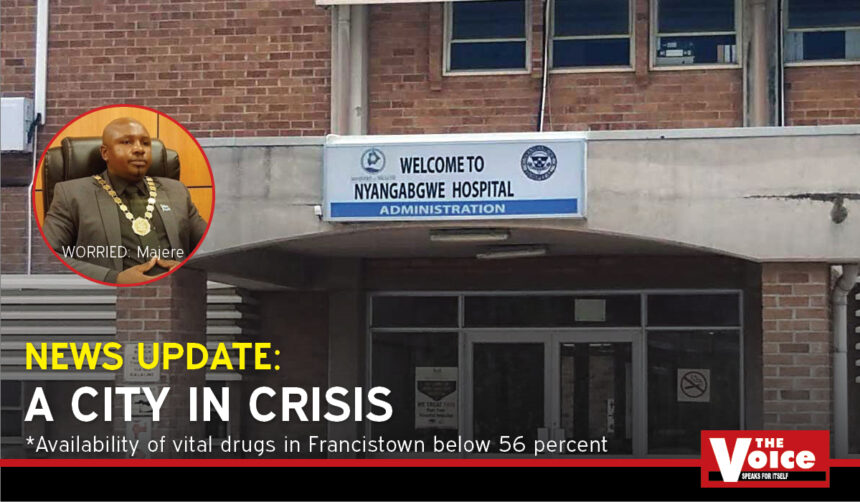
*Availability of vital drugs in Francistown below 56 percent
The City of Francistown continues to grapple with numerous health challenges despite interventions and promises made by the Ministry of Health.
In addition to a shortage of nurses and dilapidated facilities, in keeping with the rest of Botswana, the country’s second city is also facing an acute shortage of vital drugs.
According to the Urban Development Committee (UDC) fourth-quarter report, the availability of essential drugs remains way below the national target of 97 percent and has declined from the previous quarter at both facility and warehouse levels.
Although the report does not provide the latest figures, the UDC’s March report showed that the availability of vital drugs stood at 56 percent, essential drugs at 47 percent.
Vital drugs are regarded as life-saving medicines or ‘first-line’ treatments that are absolutely crucial for providing basic health services and preventing imminent death.

Essential drugs on the other hand are highly effective treatments for significant, but less immediately life-threatening, illnesses. They serve as ‘second-line’ options or important back-up items.
Necessary drugs and non-drug supplies were both at 83 percent, while the availability of Anti-Retroviral (ARV) drugs stood at 86.7 percent.
Addressing a full council session back then, Francistown Mayor Gaone Majere said that while availability levels were relatively high, they still fell short of the optimal target.
In a story published by The Voice titled ‘Ghetto’s Health Check’, the Mayor called for strengthened supply chain management, sustained funding, and closer collaboration with central health authorities to ensure uninterrupted access to essential medicines and improved health outcomes for Francistown residents.
In his address this week, just two months later, and as per the UDC report, shortage of vital and essential drugs appears to have worsened, with more patients now being referred to private pharmacies.
However, the report notes that the government’s purchasing power may improve through the implementation of cost-saving measures, which could ultimately improve the availability of drugs in medical facilities.
The city’s health challenges are not limited to empty dispensaries, as Francistown is also facing a shortage of professional healthcare workers.
The National Development Plan 12 (NDP 12) places the national nursing shortage gap at 28 percent and the overall staffing gap at 35 percent.
Francistown currently has a shortfall of 128 nurses.

The UDC report states that the city has 152 primary healthcare nurses instead of the ideal number of 190, while Nyangabgwe Referral Hospital has 506 nurses instead of the required 596.
One of the city’s biggest challenges remains the shortage of medical doctors. Against an ideal staffing level of 40 doctors, Nyangabgwe Referral Hospital is currently operating with only 20 medical doctors.
Speaking at a Full Council Session on Monday, Mayor Majere said that while Nyangabgwe Referral Hospital remains fully operational and continues to serve as a critical referral facility for Francistown and the wider northern region, shortages of drugs, non-drug supplies, and specialist items continue to affect emergency care, theatre operations, inpatient services, and overall patient satisfaction.
The second city’s first citizen added that infrastructure challenges, including hot water system failures and equipment breakdowns, are also affecting healthcare delivery.
He therefore encouraged Councillors to continue advocating for patient dignity supplies, health promotion campaigns, and community mobilisation initiatives focused on chronic disease management, antenatal care and emergency care awareness.