




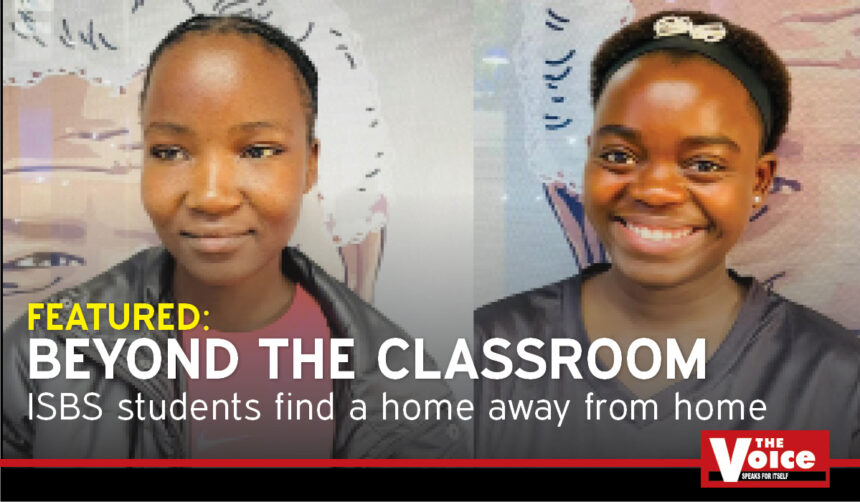
ISBS students find a home away from home
- Student accommodation helps young people navigate independence, academic life, and the transition from home to tertiary education
- ISBS Accommodation helps navigate the transition into adulthood
For Seako Mosinyi, leaving Serowe to pursue a Bachelor of Science in Occupational Health and Safety at the Imperial School of Business and Science (ISBS) meant more than beginning a tertiary qualification.
It also meant learning, for the first time, how to live away from home.
Her days now involve more than lectures, assignments, and examinations. They include preparing her own meals, cleaning, managing her time, and sharing a living environment with other students—an experience she says is gradually teaching her independence.
“My day usually starts by waking up at my accommodation and preparing for college. After getting ready and having breakfast, I make sure to get to college on time, attend classes, and participate in different academic activities,” says Mosinyi.
After lectures, another part of her education begins. “I return to my accommodation, rest a little, and complete my schoolwork,” she says, before attending to everyday responsibilities such as cooking, cleaning, and preparing for the following day.

For students moving from villages and towns across Botswana to pursue tertiary education in Gaborone, the transition can bring unfamiliar responsibilities. Finding somewhere to live, travelling to college, and adjusting to independence can become part of the challenge of beginning tertiary education.
Mosinyi says having accommodation accessible to ISBS has reduced some of those pressures. “Having accommodation close to ISBS makes life much easier because I do not have to spend a lot of time travelling to and from college. This gives me more time to concentrate on my studies and assignments,” she says. The experience has also widened her social world. “It has helped me build friendships because I get to spend time with other students both in class and at the accommodation,” she says.
Mosinyi says living away from home for the first time is teaching her lessons that extend beyond her Occupational Health and Safety programme. “Living independently has taught me responsibility, discipline and time management. I have learnt to organise my own daily activities and make responsible decisions,” she says. “I have also learned how important teamwork, respect and communication are when living with other students. These experiences have helped me become more confident and mature.”
Her experience is shared by fellow Occupational Health and Safety student Masego Jackson, who moved to Gaborone from Kasane. Jackson says her family recommended ISBS after hearing positive accounts about the institution. The move, however, meant adapting not only to tertiary education but also to the pace of life in the capital.“A typical day can be tiring, especially when balancing classes, assignments and other academic responsibilities. However, knowing the purpose behind my journey makes each day feel meaningful,” Jackson says.
Living in ISBS-provided accommodation, she says, has made that adjustment easier. “Living away from home has given me the opportunity to adjust to a new environment, become more independent and learn how to manage myself,” Jackson says. “Overall, it has been a positive and valuable experience.”She says accessible accommodation also allows her to manage her time and academic responsibilities without having to worry as much about travelling long distances.
But, like Mosinyi, Jackson believes some of the most important lessons are being learned outside the lecture room. “Living independently has taught me that responsibility and discipline are essential, especially when adjusting to a fast-paced environment like Gaborone,” she says. “I have learned to manage myself, organise my daily activities and take greater responsibility for my decisions.”
The students’ experiences reflect an approach through which ISBS sees accommodation not simply as somewhere for students to sleep, but as part of helping young people transition from secondary school and home life into tertiary education and greater independence.
ISBS’s Tshepo Tlhankane says this is particularly important for students arriving in Gaborone from elsewhere in Botswana. “Providing student accommodation helps ease the transition from senior school to tertiary education, particularly for students leaving their home villages to study in the city,” says Tlhankane. “It gives them a stable environment where they can settle in, focus on their studies and adjust to college life with greater peace of mind.”
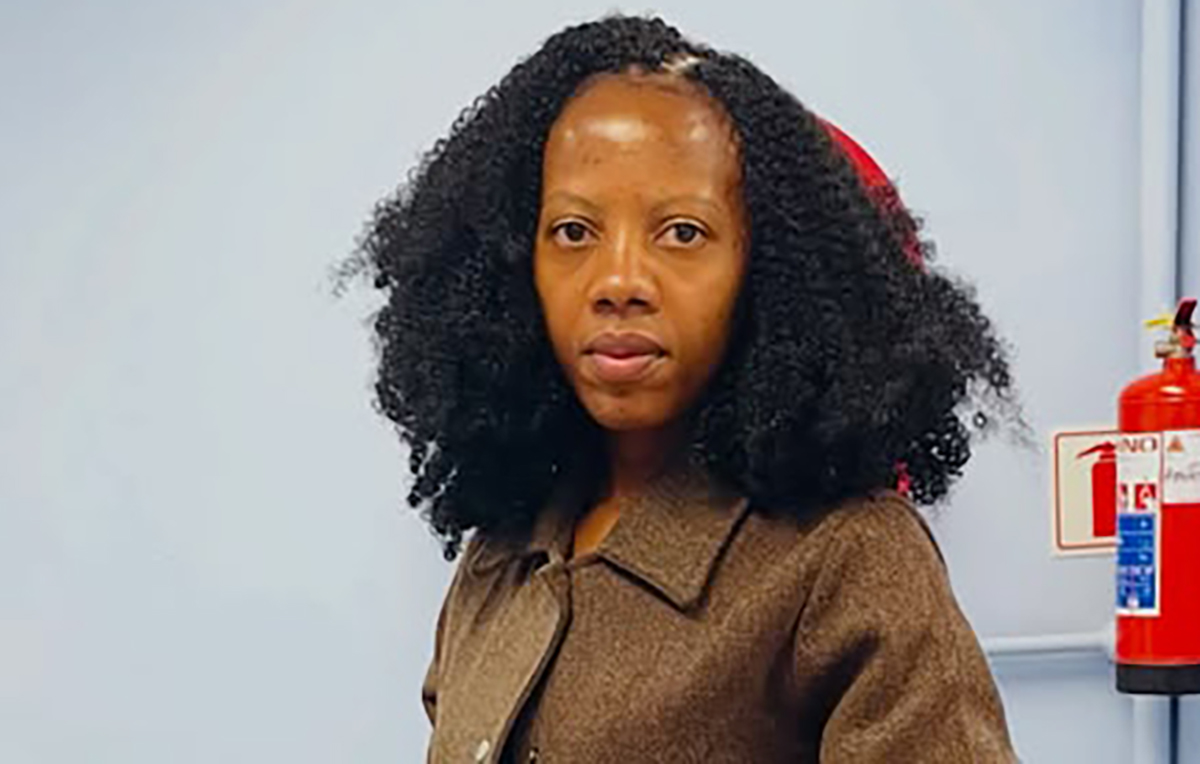
The arrangement, Tlhankane says, also addresses one of the concerns parents and guardians naturally have when children leave home to pursue their studies. “It reassures parents and guardians, knowing that their children have a place to stay and people available to support them while they are away from home,” he says.

ISBS says its student accommodation is furnished with fridges, stoves, showers and toilets, as well as study desks and chairs. Students have access to a study and reading room, Wi-Fi and television, while swimming pools in the accommodation area provide a recreational option.Support also extends beyond the physical facilities. According to Tlhankane, security personnel and a matron are available to support students in their day-to-day residential lives. Counselling services and weekly talks are also provided, while the institution says vehicles can be accessed during emergencies, including when transportation to hospital is required.
“We recognise that adjusting to life away from home is not always easy,” Tlhankane says. “Through guidance and support, we help students manage challenges, stay connected to their goals and make positive decisions that support their academic and personal growth.”
That philosophy forms part of ISBS’s broader emphasis on developing what it describes as the “whole person, not just the certificate.” Living with other students, Tlhankane says, exposes young people to different backgrounds and personalities while requiring them to communicate, cooperate, solve problems and take responsibility for themselves.
“The student living experience gives students an opportunity to develop independence and responsibility away from home,” he says. “Living with other students also helps them build relationships, respect different backgrounds and develop life skills such as communication, cooperation and problem-solving.” For Mosinyi, that wider experience is what she would want prospective students and their parents considering tertiary education in 2027 to understand.
“ISBS is more than just a place to attend classes and learn,” she says. “It gives students an opportunity to learn, become more independent and build confidence. The accommodation also makes the transition from home to college easier.”
Jackson describes her own transition from Kasane in similarly personal terms. “Studying and living at ISBS has been a blessing and a meaningful experience for me,” she says. “The school provides an environment where students can focus on their studies while also adjusting to life away from home.”
For prospective first-year students, accommodation is available through an application process rather than automatically guaranteed. ISBS says all first-year students are eligible to apply, with spaces allocated on a first-come, first-served basis and subject to availability. Students who receive their sponsorship letters can approach the institution’s Admissions Department for current accommodation availability and application requirements.
For young people such as Mosinyi and Jackson, however, the experience demonstrates that tertiary education can happen in more places than a lecture room. It happens while learning to manage an assignment deadline and a household chore, while sharing space with people from different backgrounds, and in the everyday transition from being cared for at home to taking responsibility for oneself.
For Mosinyi, that transition can be summed up in three things: greater responsibility, confidence, and maturity.