


First-time author delves into the past
For many, childhood trauma becomes a silent burden carried for life.
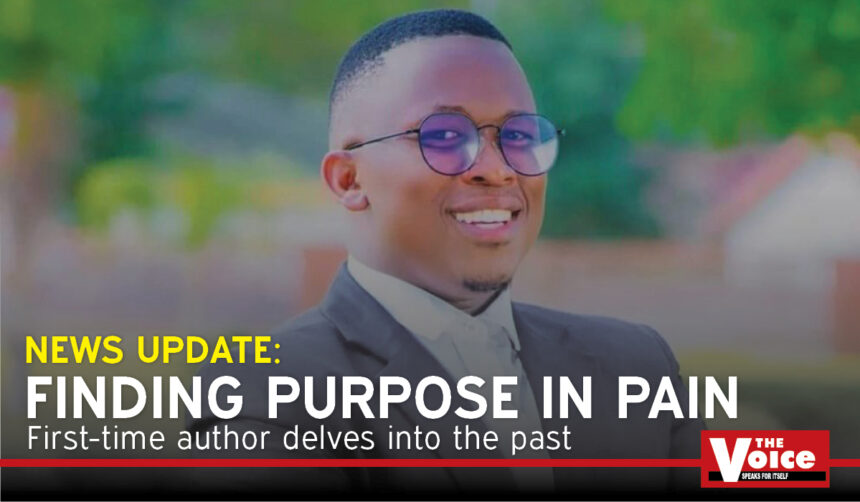
But for first-time author, Bonang Sheppard Afitlhile, the pain of his past became the foundation of a powerful testimony captured in his debut book, ‘Through the ‘Eye of a Needle’.
Born and raised in Phitshane Molopo in Barolong Farms, Afitlhile’s life has been shaped by rejection, emotional struggles and the hurt of growing up in a broken home.
Yet instead of allowing hardship to destroy him, he chose to transform his experiences into a message of hope.
“My life journey taught me that pain can either destroy a person or build a testimony. I chose to let mine become a testimony,” says Afitlhile, a pastor, educator, counsellor, speaker, musician and now writer.

The deeply personal memoir explores his emotional journey through childhood wounds, parental separation and the search for healing through faith.
For Afitlhile, writing the book was never simply about telling his story – it was about helping others who quietly carry emotional scars.
“I realised that many people are suffering quietly from broken families, rejection and emotional pain. God placed it in my heart that my story was not only for me, it was meant to heal others too,” he explains.

One of the most inspiring chapters of Afitlhile’s life came when his parents remarried after over two decades apart, a reconciliation he describes as ‘the greatest testimony in my life’.
“After 23 years apart, my parents found their way back to each other; that restoration became proof to me that God can heal what people believe is permanently broken,” he argues.
As for the book’s ‘Through the Eye of a Needle’ title, Afitlhile explains it carries both spiritual and personal significance.
“The ‘eye of a needle’ symbolises the narrow and painful seasons people often endure before emerging stronger. My journey involved hardships, rejection and emotional battles that sometimes felt impossible to survive. But with God, even difficult things become possible.”
Revisiting such low moments was emotionally exhausting for the author, who admits there were times during the writing process when he had to stop as the flashbacks became overwhelming.
“Remembering feelings of abandonment, confusion and loneliness was painful,” he reflects, quickly adding, “But it also became part of my healing.”

Faith was the anchor that carried him through his darkest moments. Through prayer, scripture and ministry, he discovered that healing is both emotional and spiritual.
“Pain does not mean God has abandoned us. Sometimes He uses pain to prepare us for purpose and ministry.”
Beyond ministry, Afitlhile also uses education and music as tools to help.
“Music allowed me to express emotions that were difficult to put into words. Both teaching and music taught me that our gifts can become instruments of healing.”
At the heart of his message is forgiveness, something he concedes did not come easily.
“Forgiveness is not pretending the pain never happened. It is refusing to allow the pain to control your life forever.”
Today, Afitlhile hopes his story will especially inspire young people from broken homes to believe their circumstances do not define their future.
“I want readers to know that pain is not the end of life; you can still rise, heal and become someone meaningful,” Afitlhile affirms.
His message to the community is simple but strong: brokenness is not the end.
“If God could bring healing and reconciliation into my family after 23 years of separation, then there is hope for every broken situation!”