

Building for an awesome AFCON
On the 20th of August, I received an invitation that instantly lifted my spirits: a personal message from Fouzi Lekjaa, President of the Royal Moroccan Football Federation (FRMF), through his officer, Mohammed Amine Rajabi.
The occasion?
The official opening of the Prince Moulay Abdellah Stadium in Rabat, ahead of the rapidly-approaching Africa Cup of Nations (AFCON).
As someone who’s been fortunate to receive such invitations before, I knew what awaited: unforgettable Moroccan hospitality, mouth- watering cuisine, top-tier football infrastructure, and a rich blend of culture and history.
This visit was not just about football; it was an opportunity to experience Morocco’s readiness to host the continent later this year and, in 2030, the world.

The Journey Begins
On August 30, I departed Botswana, flying via OR Tambo and Doha before touching down in Casablanca after a 15-hour, 45-minute journey. Upon arrival, visa processing was swift and efficient. I have vivid flashback to the last time I was here – over two years ago for the Club World Cup. I had the time of my life back then and was slightly apprehensive that my new adventure might not live up to the memories of the past. I needn’t have worried!
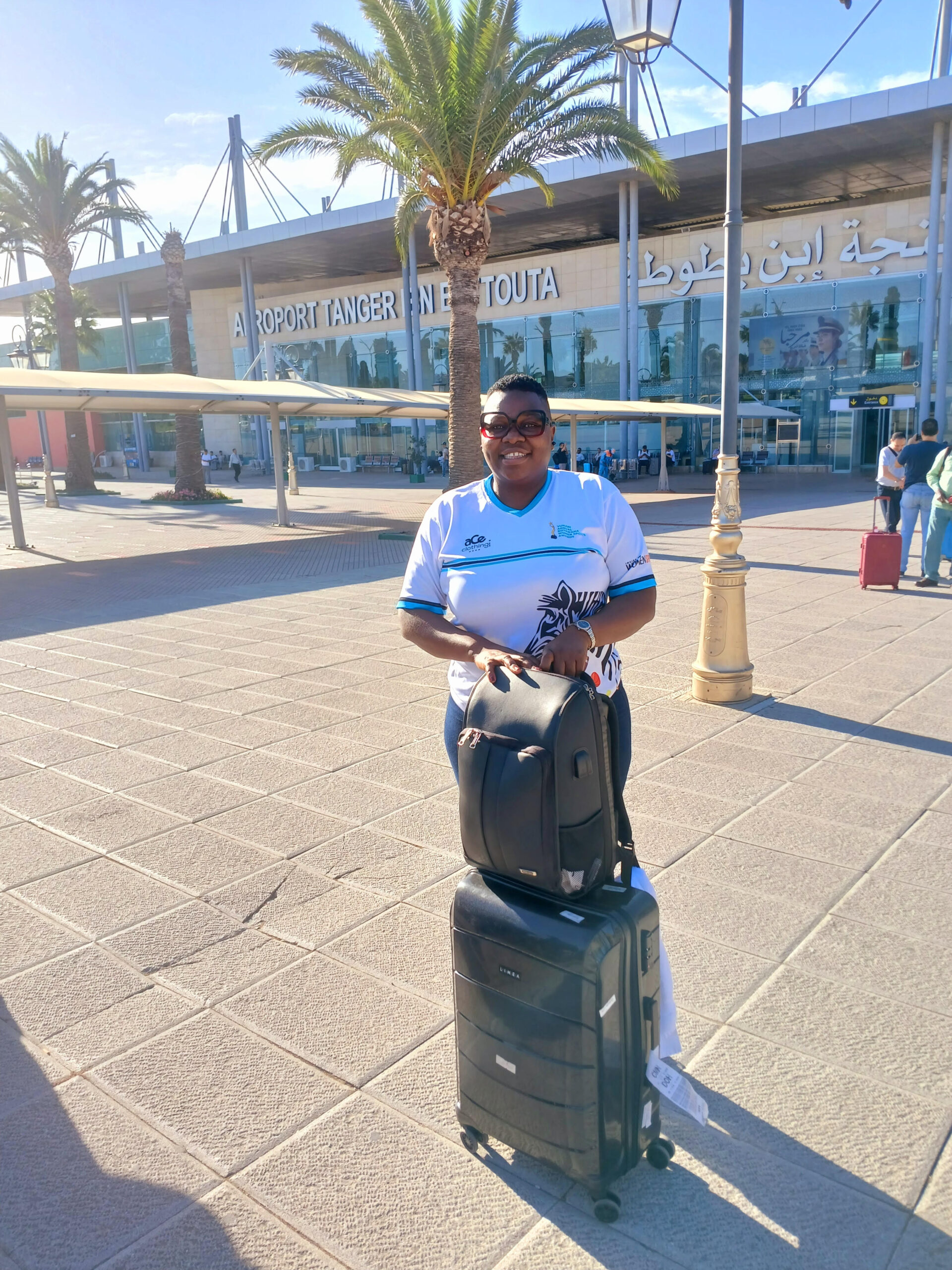
A driver, arranged by the federation, met me and transported me to the train station, where I caught a scenic ride to the northern city of Tanger.

The trip kicked off with excitement, not just from the prospect of exploring Morocco again, but also reconnecting with fellow African sports journalists. Many of us had only ever interacted in the Africa Sports Journalists WhatsApp group, so finally meeting in person made the occasion even more special.
Day 1: Tanger – Where football meets the sea
After checking into our hotel and enjoying a much-needed hot bath and hearty late lunch (the lamb and veggies were divine), we began our tour at the newly upgraded Tanger Stadium. Now boasting a capacity of 75, 000, this is the very ground where Botswana will face off against Senegal on Christmas Eve. The structure is impressive, and you can already feel the pulse of future AFCON action in its walls. Bu will it witness a famous Zebras victory? The walls refused to tell!
Day 2: Agadir – Stadiums and sea breezes
Our next stop was Agadir, a coastal gem in southern Morocco. After checking in and having lunch, we toured the Agadir Stadium. FRMF President’s Advisor, Omar Khyari, alongside the construction engineers, guided us through the stadium and shared the country’s ambitious vision — not only for AFCON but for the 2030 World Cup as well. The scale and attention to detail were truly world-class.

Day 3: Marrakesh – A road trip to remember
We travelled by road to Marrakesh, a journey that was as enjoyable as the destination itself. The Moroccan road infrastructure is top- notch, and the scenic views added charm to the drive. In Marrakesh, we visited the stadium, which, like others, had been upgraded with AFCON and the World Cup in mind. The consistency and quality across all venues were impressive.
Day 4: Rabat – Where history lives
Our arrival in Rabat brought us face-to-face with Morocco’s football heritage. A tour of the Moroccan Football Museum left us in awe.
The history of Moroccan football is beautifully curated, from the early years to modern triumphs. It’s clear the country not only invests in infrastructure but also honors its journey.
Day 5: Future Media Initiative workshop
The following day, we participated in the Future Media Initiative workshop, a gathering of journalists and digital influencers from across the continent. The sessions explored traditional and digital media, monetization strategies, and collaborative content creation.
It was eye-opening, informative and empowering.
Day 6: Grand opening of Prince Moulay Abdellah Stadium
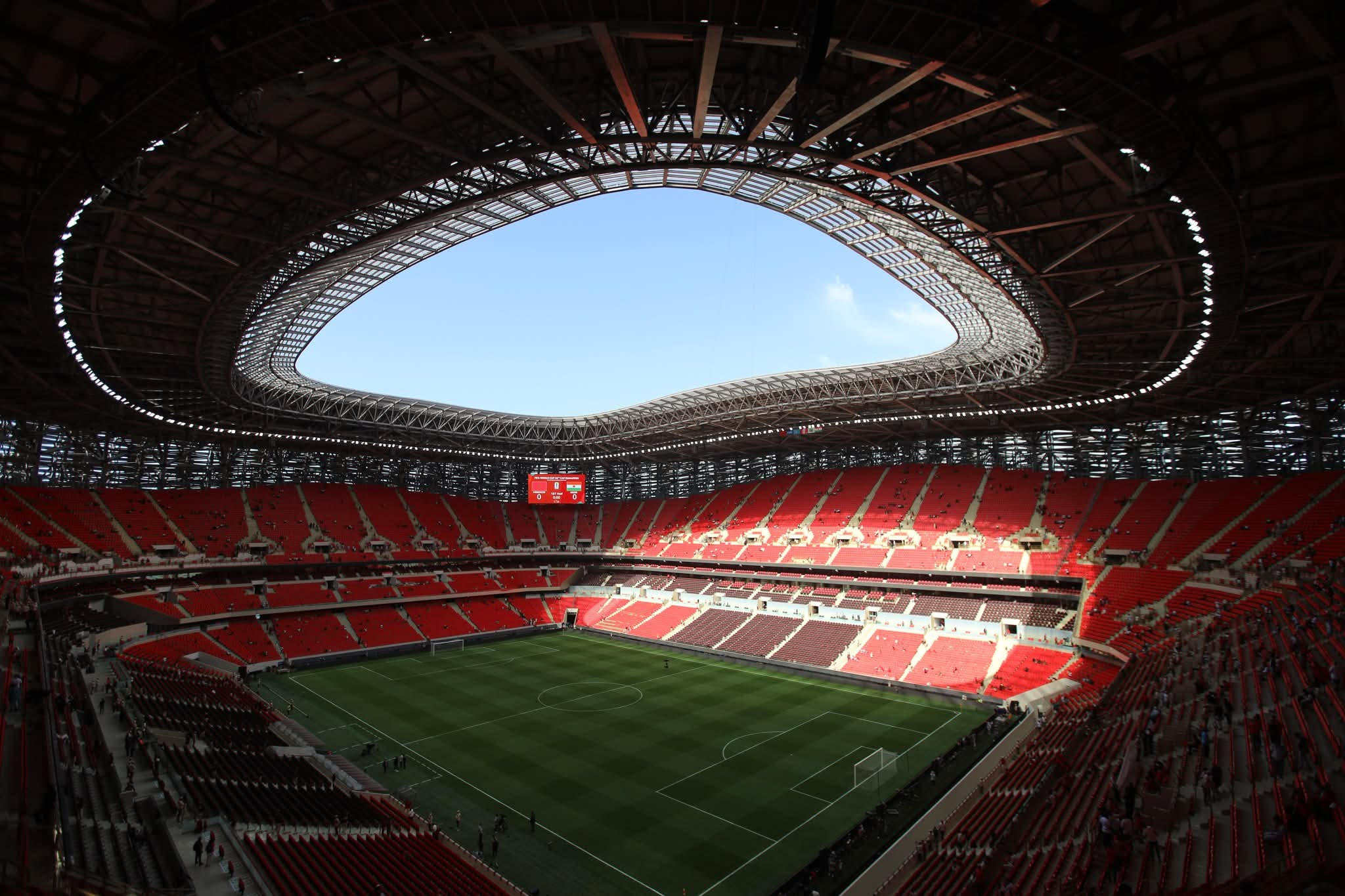
This was the highlight, the reason I journeyed to the other side of the continent. The brand-new Prince Moulay Abdellah Stadium officially opened with a dazzling ceremony. With a capacity of 68, 500, it’s more than a stadium: it’s a symbol of Morocco’s football ambition. The facility is cutting-edge and ready for both continental and global competitions.
To top it all, we watched Morocco take on Niger in a World Cup Qualifier. The Atlas Lions won emphatically 5-0 securing their place in next year’s World Cup. The atmosphere was electric. You could feel the pride in every cheer.
Day 7: Fun at Mohammed VI Football Complex
We visited the Mohammed VI Football Complex, an elite training facility and home to Moroccan football development. Here, the influencers faced off against the journalists in a friendly match. Let’s just say, while TikTokers may dominate online, we journalists still have the edge on the pitch!
Day 8: Farewell to a Football Paradise
Our final day was reserved for rest and reflection. We capped the trip with a farewell dinner, sharing laughs, photos, and promises to meet again, perhaps in December when AFCON kicks off!
Why Morocco is Africa’s Football Capital?
Morocco has proven beyond doubt that it is not just ready to host AFCON, it is setting a new standard. The country offers: World-class stadiums Excellent infrastructure, Peace and safety with a high level of security Rich culture and tourism experiences
From its mountains to its coasts, from history to hospitality, Morocco is more than a destination: it’s a football haven.
See you in December.