



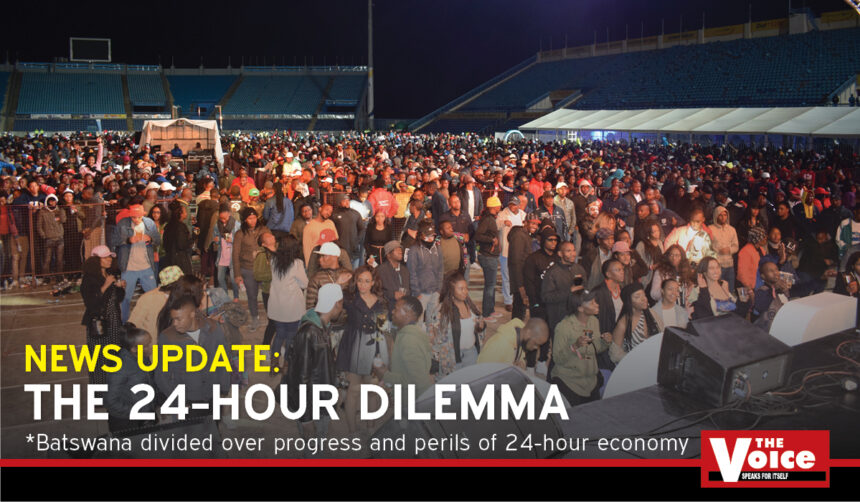
*Batswana divided over progress and perils of 24-hour economy
The government’s proposed 24-hour economy has sparked widespread public debate, polarizing opinion between those who see a path to prosperity and those who fear a descent into social chaos.
While many welcome the idea of round-the-clock services, critics warn that the non-stop sale of alcohol will exacerbate the crises of addiction and delinquency, especially at a time when black-market liquor outlets are already thriving.
Chairperson of Botswana Faith Based Organizations Network on HIV/AIDS and Health, Mpho Moruakgomo, welcomed the initiative noting that it could improve access to essential services such as agricultural shops that open late and close early.
He was however skeptical on the extended sales hours of alcohol as he said, they pose serious risks. “The 24-hour alcohol sale is premature because we are already grappling with alcoholism, drug abuse and youth delinquency. Re itshela mmoko wa talane. As Batswana we lack life skills on how to handle alcohol. If you have travelled abroad and observed how people in developed countries behave, you would see the difference,” he said.
Moruakgomo noted that even under the current trading hours, weekend mornings are characterised by alcohol-related road accidents, and he fears the situation could get worse, crippling the economy, as most victims of road accidents are youth who are economically active.

In low income locations in Gaborone, Francistown and other towns, underground liquor outlets have been thriving.
Moruakgomo added that the underground alcohol market is also going to blossom since it will be camouflaging within the new legal framework.
Meanwhile, the Botswana Nurses Union (BONU) whose members are the frontline healthcare workers bearing the brunt of these social ills, share these deep concerns.
Although they acknowledge the potential benefits of the 24-hour economy, they have urged government to proceed with caution.
“The 24hr economy will have the potential to reduce overcrowding in already limited health facilities for Outpatient consultations without time limitation of 0730-1630hrs, hence improving access to care. However, the state of public health system in Botswana is not ready to accommodate a 24hr economy as it is marred with a lot of challenges worsened by the recent dire shortage of medicines and other commodities,” said BONU Secretary General Onkemetse Ndulamo.
He added that the initiative needs a resilient healthcare system that is well resourced with ambulances and personnel instead of the status quo where hospitals share an ambulance.
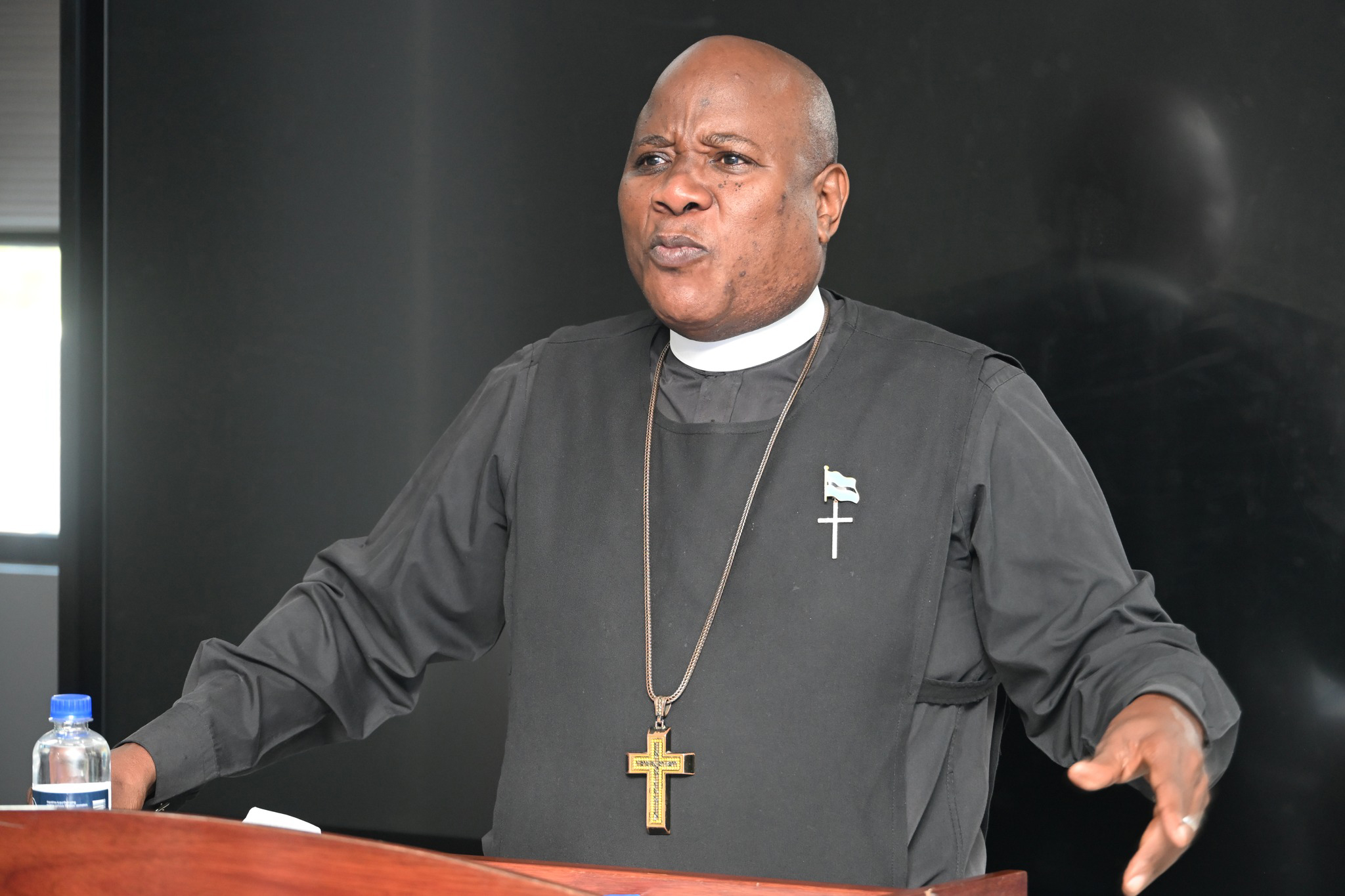
“In a 24 hr economy, emergency response should be the government’s utmost priority for there is anticipation of road traffic accidents and other emergencies at anytime of the day. There is also the urgent need for increased security and safety concerns for BONU members who have been sexually assaulted and robbed of their belongings while working in public health facilities at night,” lamented Ndulamo.
“He added that despite numerous incidents of nurses being attacked while on duty, government failed to ensure that nurses and other healthcare workers work in a safe environment.
“A 24hr facility would need police visibility in all public health facilities operating a 24hr service since the private security has proven to lack the capacity to maintain safety in public health facilities,” he said.

In addition to their worries, BONU stated that there is a likelihood of a spike in Non-Communicable Diseases (NCDs) that are associated with sleep deprivation, poor eating habits and an increase in substance and drug abuse.
BONU requested the Government to defer the dream until such time when the public health system has been fixed.
According to Statistics Botswana, the country imported goods worth around P6.6 billion in August 2025 alone. In this amount, Food & Beverages imports amounted to approximately P1.3billion, representing 18.3% of total imports.
The figure is likely to increase under the 24-hour economy. The consumption of unregistered or black market beverages is also reported to be on the increase.
Meanwhile, Business Botswana (BB) has welcomed the 24hr economy, saying it has the potential for improving national productivity, enhance competitiveness, stimulate job creation and aligning Botswana with global economic trends.
“However, while the concept carries clear opportunities, it also presents a number of practical considerations that must be carefully assessed to ensure smooth and sustainable implementation, particularly for sectors that traditionally do not operate on 24 hours basis. For many businesses, especially SMEs, extended operating hours may come with increased labour costs, security requirements, utility expenses, and the need for reliable transport and public services,” said Acting CEO of BB Mpaphi Tsholofelo.
He added that certain industries including retail, hospitality, logistics and specific manufacturing segments may adapt easily, whilst other sectors such as professional services, education, and certain administrative functions may face challenges around staffing, compliance, and the alignment of service availability with customer demand.
“Proper consultation will ensure a smooth and successful rollout of this 24-hour economy initiative,” he said.
Some government ministries have already announced that their departments will be working 24 hours by end of this year.