



*BEMA exposes school uniform smuggling ring
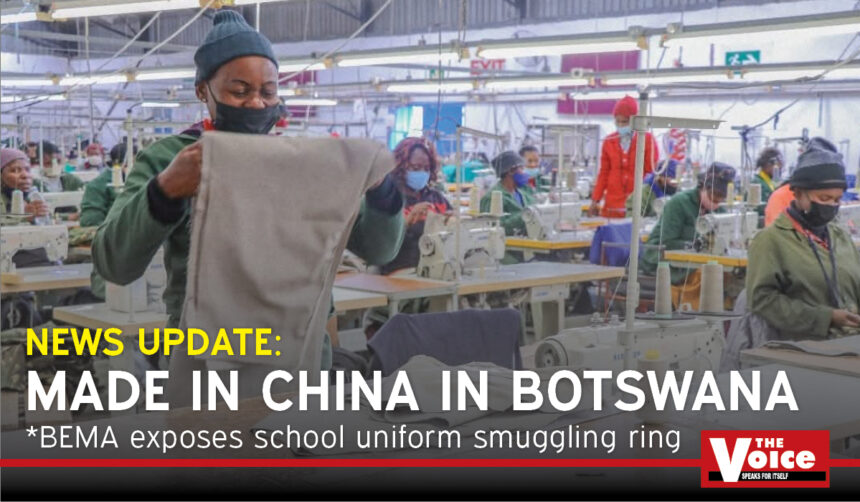
A recent fact finding mission by Botswana Exporters and Manufacturers Association (BEMA) in northern Botswana has revealed disturbing issues of malpractice within the school uniform industry, casting doubt on the effectiveness of import restrictions designed to protect domestic manufacturers.
Following site visits to Mahalapye and Francistown, BEMA uncovered a troubling pattern of non-compliance, fraud and substandard goods. Some of the pressing concerns include the smuggling of restricted uniforms, fronting by citizens for foreign owners, poor quality and overpriced products, and staged manufacturing sites that serve as covers for importing finished goods.
BEMA further learnt that these practices are prevalent in Francistown and they extend as far as Gaborone.
The government imposed restrictions on import of school uniforms back in 2021 through a Statutory Instrument No.76 of 2021 in an attempt to bolster the local textile industry. While no shortages of uniform was reported leading to the school term, BEMA initiated site visits to assess the real state of the industry.
In a quick update with this publication BEMA Chief Executive Officer Mmantlha Sankoloba said the assessment was part of its annual oversight and sector support programme.

“This forms part of BEMA’s continued commitment following the implementation of the school uniform import restriction, under which BEMA assured government that local manufacturers would meet national demand without failure or disappointment,” Sankoloba said.
She noted that the aim of the fact-finding mission was to assess the readiness of local manufacturers to supply school uniforms during peak season, evaluate the implementation of the school uniform import restriction, verify compliance with policy and good business practices and to investigate concerns raised within the sector.
She urged the ministry to consider BEMA findings and conduct independent investigations.

Sankoloba revealed that key findings indicated glaring inconsistencies where factory size and production capacity did not correspond with the volume of uniforms displayed in retail outlets, raising questions about product sourcing.
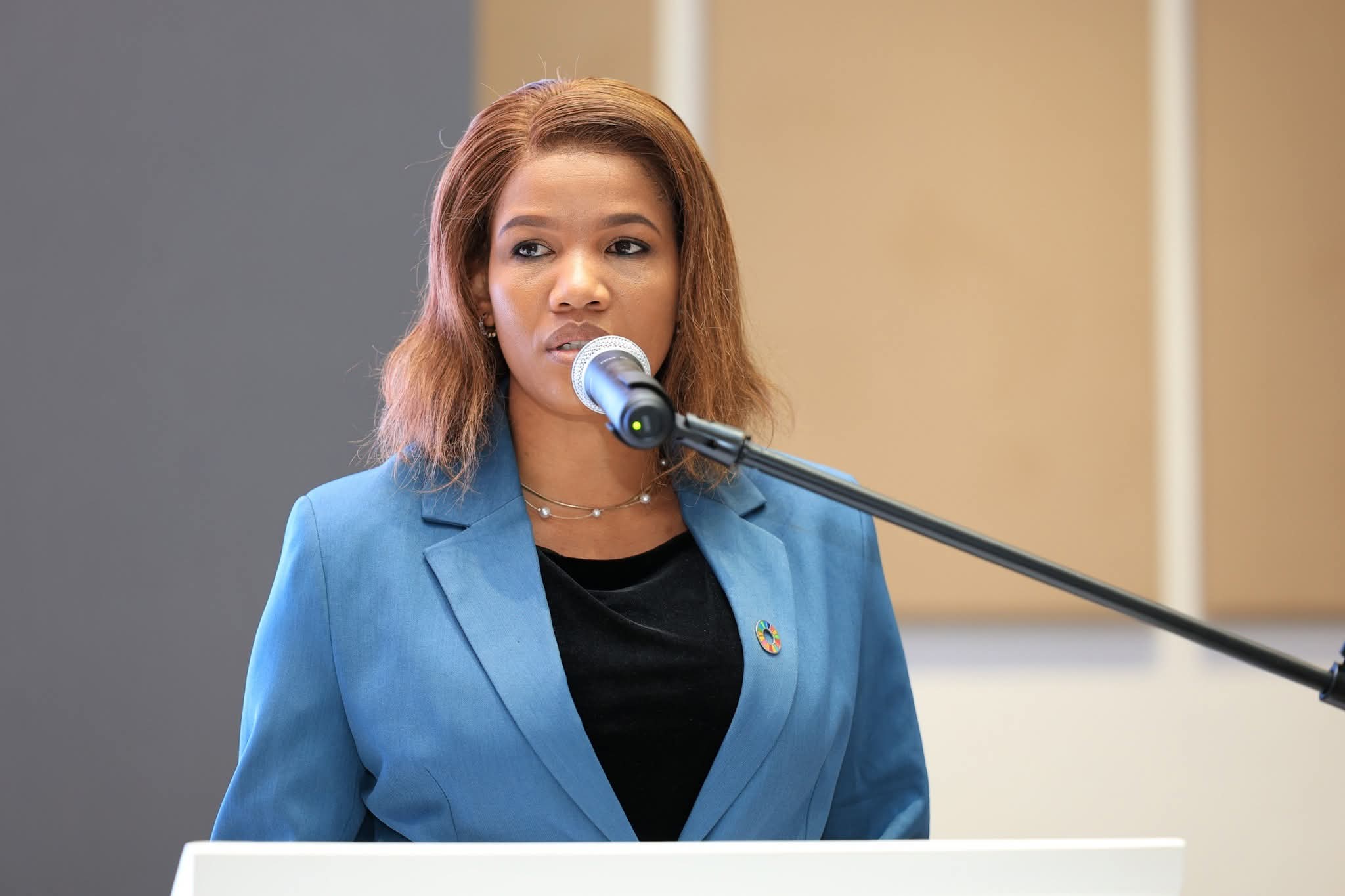
“We also noted unaccounted product ranges. Some colours, patterns and uniform ranges found in stores were not observed being manufactured in the respective factories,” she said further revealing questionable retail procurement practices regarding a retailer who reportedly orders large quantities but only purchases a fraction, yet stocks full volumes in- store.
“This pattern suggests alternative supply channels,” said Sankoloba adding that most of the challenges observed require deeper investigation.
Emphasizing the importance of the sector, Sankoloba said the school uniform manufacturing sector is critical to Botswana’s economy since many manufacturers have operated for over three decades and employ local citizens who depend on these businesses for their livelihoods.
“While increased domestic and foreign investment is encouraged, it must be compliant, fair and aligned with good business practices to protect legitimate operators,” she noted.
There are suspicions that some foreign and local-owned factories operate as compliance fronts, sourcing uniforms externally while selling locally at uncompetitive prices.

“There are also ‘Made in China’ labelled school uniforms on local shelves and we have since secured some as samples,” she said.
Sankoloba said they have cautioned the Ministry of Trade and Entrepreneurship against dumping of low standard products into the local market and recommended for a closer collaboration between the Ministry, enforcement agencies and industry stakeholders to strengthen inspections, compliance and enforcement.
According to Sankoloba ignoring these concerns risks undermine local manufacturing and employment.
She said BEMA expects regular factory site visits by the ministry to verify production capacity and compliance which is set to commence within 15 days and institutionalised as a quarterly exercise.
She has also called for enforcement and corrective action where the ministry acts decisively on investigation outcomes through sanctions or corrective measures within 60 days after investigations.
“We are also expecting a multi-stakeholder action against smuggling, with the ministry working closely with BURS, Immigration, law enforcement and other stakeholders to curb smuggling,” she said, noting that they expect the coordination to be established within 45 days.
The BEMA CEO called for capacity-building support for small and medium-scale school uniform manufacturers in finance, skills development, technology and market support with implementation expected over 6–12 months.
She urged the ministry to also facilitate regular meetings with all school uniform manufacturers, starting within 60 days, followed by quarterly or bi-annual session.