


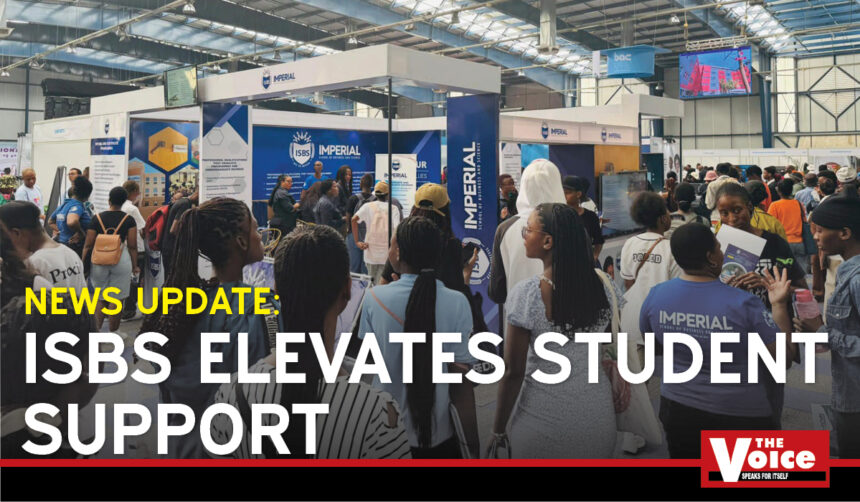
The Imperial School of Business and Science (ISBS) is redefining the student experience in Botswana’s tertiary education landscape through a strengthened focus on academic and emotional support systems.
The private institution, known for programmes in business, information technology, and health sciences, has implemented what it calls a “student-first culture” — integrating mentorship, counselling, and technological access into its learning environment.
“We teach minds, but we also build people,” said ISBS Managing Director Nidheesh Sharma, describing the approach that has guided the school’s growth over the years. “No student is left to walk their journey alone.”
The model extends beyond lecture halls. ISBS counsellors and student welfare officers actively engage learners facing academic or personal challenges, while administrators provide guidance on scholarships, housing, and wellbeing.
The institution also provides every learner with a tablet to support digital learning and research.
According to ISBS management, the goal is to produce graduates who are both competent and confident — equipped with technical knowledge and personal resilience.

“The world outside affects the mind inside,” said a member of the student affairs team, noting that the school’s responsibility to learners includes life outside the classroom. Peer mentoring has also become a defining feature of ISBS’s academic culture.
Senior students mentor first-year learners, while alumni return to run career and entrepreneurship workshops.
The network, the school says, ensures “a continuous chain of support from enrolment to employment.”

ISBS complements academics with student development initiatives such as debate clubs, volunteer programmes, and sports activities — all aimed at fostering balance and civic awareness.
With graduation season approaching, the institution says its philosophy of holistic education is bearing fruit. “Our students don’t just graduate with qualifications,” said an ISBS spokesperson.
“They graduate with confidence, purpose, and community.”
The institution continues to position itself as a leading private tertiary provider in Botswana, aligning academic delivery with student welfare in a model that could reshape expectations of private higher education in the country.