



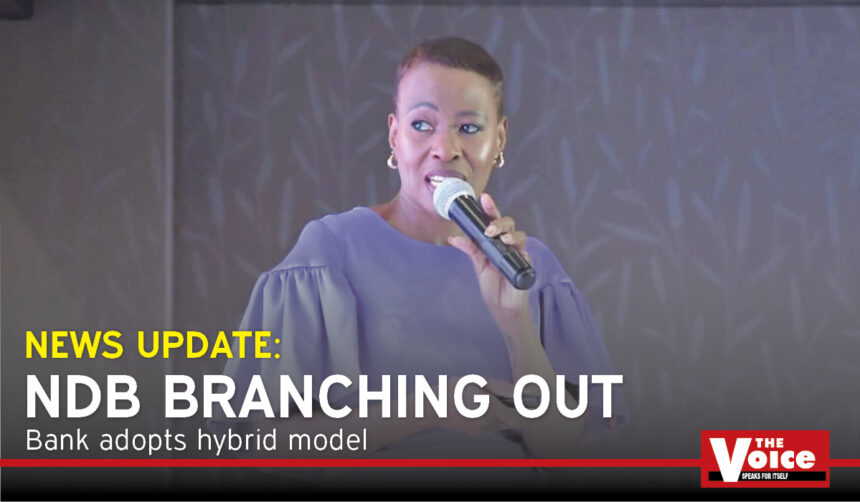
Bank adopts hybrid model
Having raked in a P13.1 million profit in the last financial year, National Development Bank (NDB) has set its sights on an even brighter future, officially launching its 2025 – 2030 Strategy, ‘Motlhala Wa Pula, Modi wa Isago’.
The roadmap is expected to help reposition NDB as a leading regional hybrid bank that combines the developmental mandate of a Development Finance Institution (DFI) with the capabilities of a commercial bank.
Focus will be on agriculture value chains, green finance, infrastructure, and other high-impact sectors that advance Botswana’s diversification agenda.
“This strategy reflects our commitment to empowering businesses, transforming communities, and delivering measurable impact. We are building a stronger, more agile, and customer-focused institution that supports Botswana’s economic transformation,” explained NDB Chief Executive Officer (CEO), Ogone Madisa adding the bank’s insurance agency will transition to being a brokerage.
The move reinforces NDB’s role in supporting economic diversification, food security, job creation and sustainable development

Acting Minister of Lands and Agriculture, Dr Edwin Dikoloti welcomed the news, noting modern development finance institutions must do more than provide funding but speed-up transformation.
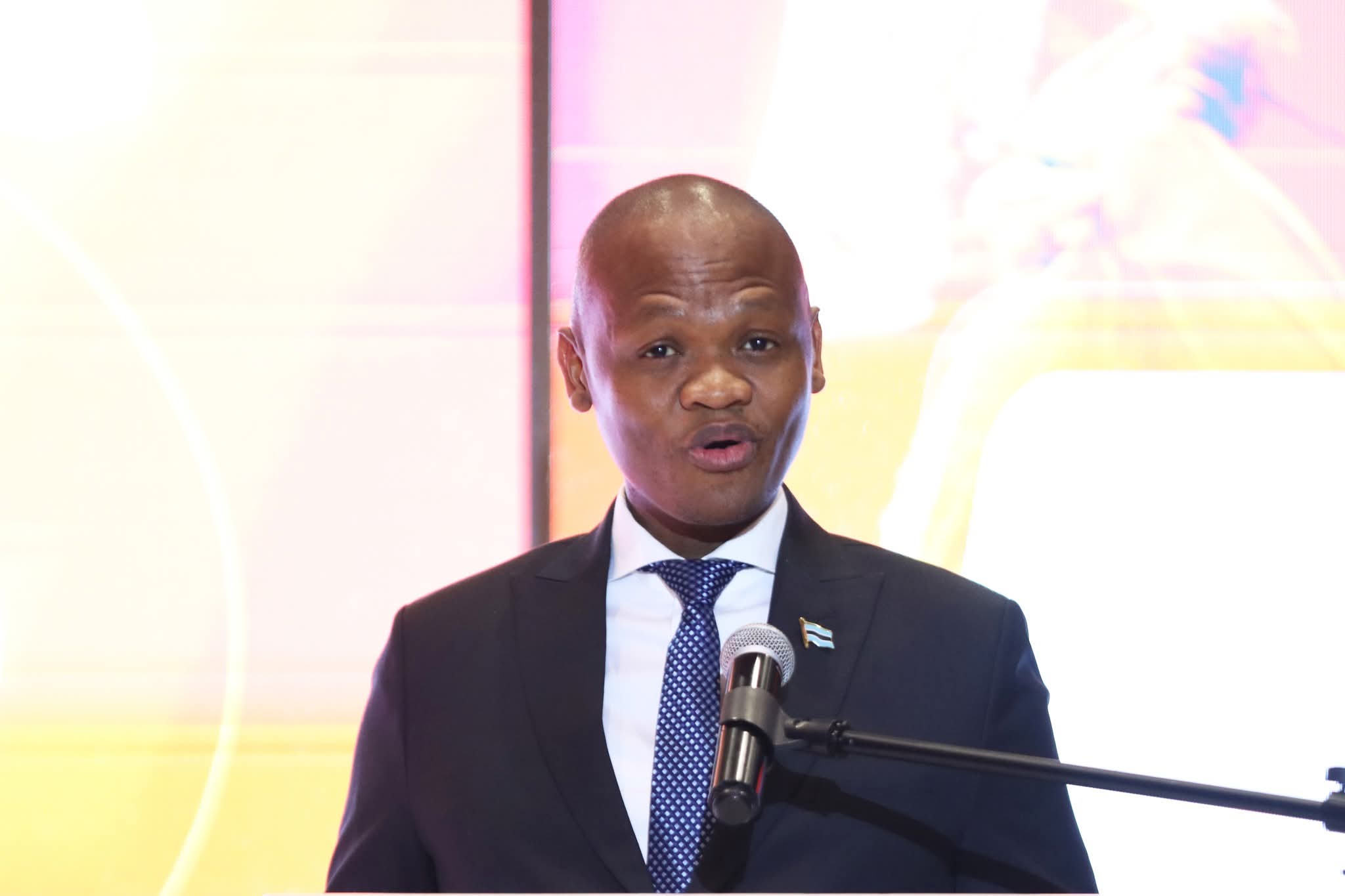
“It must bridge gaps where markets hesitate, unlock opportunities where risk is perceived to be high, and ensure that strategic sectors are not left behind. At the same time, commercial discipline ensures sustainability, efficiency, and long-term impact. Development and commercial viability are not opposing forces. Rather, they are complementary engines of growth. When aligned, they create institutions that are resilient, agile and capable of scaling national ambitions into measurable outcomes. It emphasises the position that green finance is no longer optional but essential. That agriculture, manufacturing, tourism, energy and mining, financial services, digital innovation, and social infrastructure are interconnected drivers of prosperity,” said Dr Dikoloti.
At the heart of the customer-centric strategy is a commitment to serving commercially viable start-ups, SMEs, corporates, and emerging farmers with tailored financial solutions.

“By embracing this evolution, Botswana is positioning itself not only to finance development but also to shape it, to mobilize capital, crowd in investment, and create ecosystems where entrepreneurs can thrive. This is exactly how we shift towards a private sector-led and export driven economy, promoting diversification, inclusivity and sustainability,” declared Dr Dikoloti.
In addition to its core lending business, the government-owned bank has administered development funds totalling P1.1 billion.
This includes P171 million disbursed to 1, 846 farmers through the Horticulture Impact Accelerator Subsidy and P7.5 million disbursed to 53 beneficiaries under the GIZ fund.
Other funds include: Industry Support Fund / Covid Relief Fund valued at P528 million disbursed to 584 beneficiaries which saved 14, 080 jobs.
A further P422 million was shared amongst 15, 482 beneficiaries as subsidies for fence and supplementary irrigation under Temo Letlotlo since inception.
Continuing its profitability for the second year running following ten consecutive years of loss making, NDB recorded profits of P13.1 million in the 2024/25 financial year.

This was largely attributed to a strategic shift in operational management and tighter financial controls.