



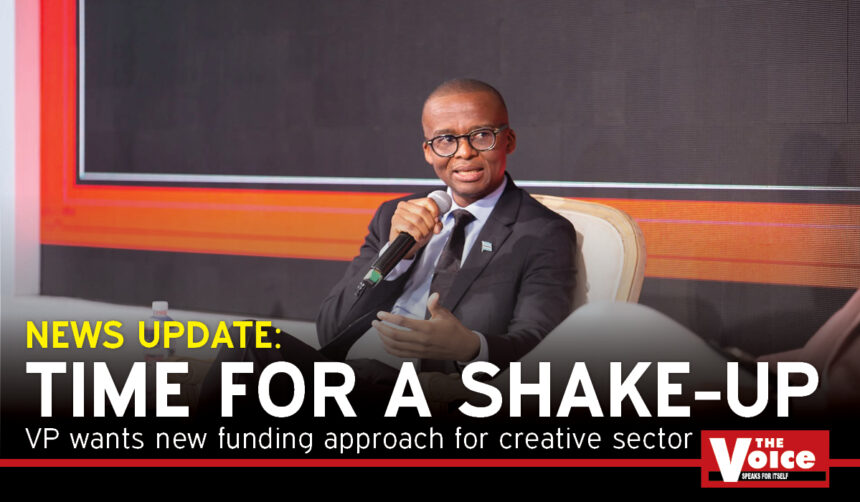
VP wants new funding approach for creative sector
To realise its potential as a major economic driver, Botswana’s
creative sector desperately needs a shift in financing approaches and infrastructure development.
This is the view of Vice President, Ndaba Gaolathe, who was speaking at a panel discussion on Entrepreneurship and the Creative Industry during the just-ended 2025 Global Expo Botswana.
Gaolathe, who double as the Finance Minister, feels the current funding models are overly reliant on debt capital, a set-up the VP deemed unsustainable.
“Traditionally, the type of funding that has been available has been primarily debt capital, loan capital funds that require property development. The system has been making this available to our artists, but you cannot fund the creative sector through loan capital,” he said.
Gaolathe revealed government is working towards a new ecosystem that will provide more suitable funding sources, including a mix of equity capital and grants tailored to the industry’s unique needs.
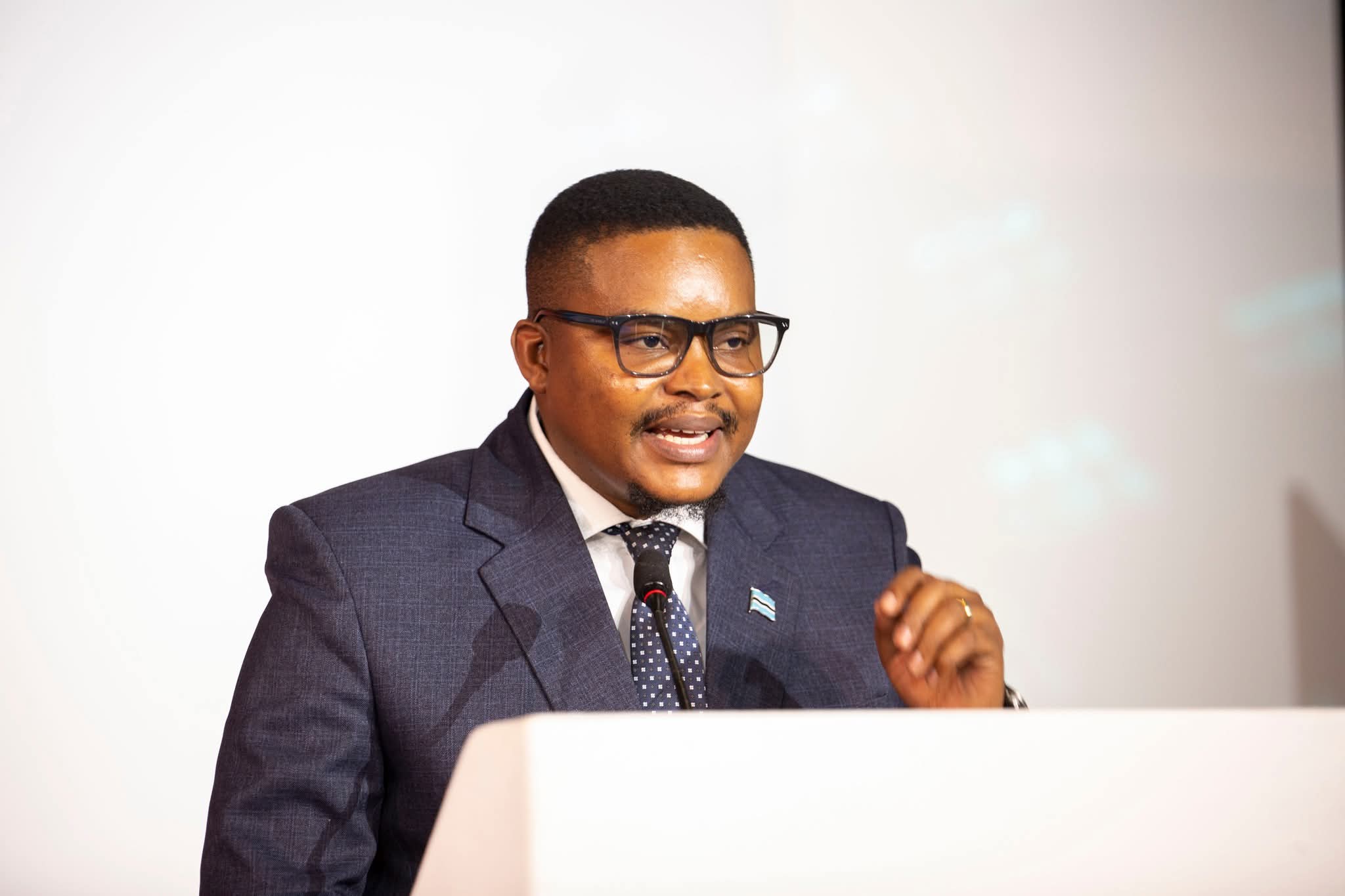
Further, the VP admitted there is an urgent need for infrastructure development to unleash the sector’s full potential.
“The digitalisation ecosystem is lagging in this country. It is not just about building technology infrastructure, but also physical infrastructure. We need to find ways to develop studios, music hubs, diamond cities, and museums that would attract global visitors,” continued Gaolathe, calling for an overhaul of current regulatory frameworks, especially those related to archival rules and Intellectual Property (IP) rights, which he believes do not adequately remunerate and monetise creative IP.
For his part, Minister of Sport and Arts, Jacob Kelebeng insisted the creative sector should not be treated as a peripheral activity, but rather as a central part of the national economic agenda.
“Government recognise the pivotal role entrepreneurs and creatives play in driving innovation, shaping identity and contributing to economic diversification. With the right policies, infrastructure and investment, this sector can deliver far greater returns in jobs, exports and national pride,” Kelebeng maintained.
Botswana’s culture and creative industries contribute around 3.1 percent to the Gross Domestic Product (GDP) and employs 6.2 percent of the workforce.
With the local industry challenged to focus on creating content that resonates with global audiences, BET International (Black Entertainment Television) Senior Vice President, Monde Twala, urged local creatives to find a way into the international market.
“We follow the different trends and determine what we have to follow and it is about commercialising,” said Twala encouraging creatives to
effectively package their genre to appeal to the global market.